 i
Kyoto International Manga Museum · Karasuma-Oike
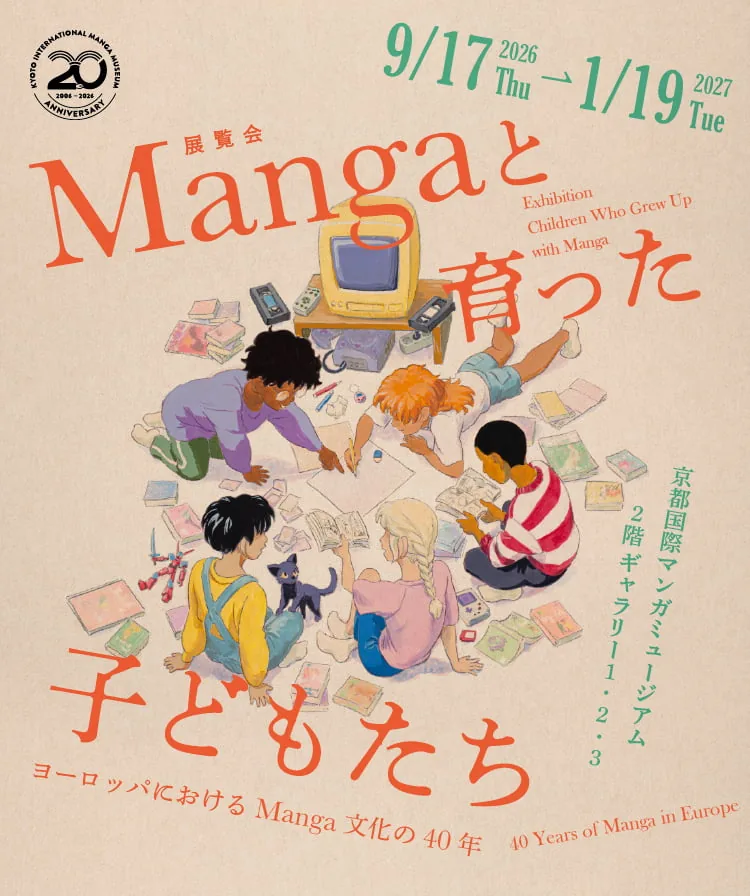
Children Who Grew Up with Manga: 40 Years of Manga in Europe
Four decades of manga reception in France, Belgium, Spain, Italy and Germany, plus work by European artists who grew up reading it. A 20th-anniversary show.
The title spells it "Manga", in Roman letters with a capital M, on purpose. The four curators, born in Korea, Russia and Spain, use it for the manga Europeans made their own over about 40 years of translating, reading and sometimes criticising Japanese comics in France, Belgium, Spain, Italy and Germany.
Galleries 1 to 3 on the second floor take that in order. The first room runs from the anime booms of the late 1980s through fan communities, translation and education, with fanzines and magazines. The second shows about 100 digital prints by around 30 European artists who started publishing around 2000, Italy's Mogiko among them, plus interview videos. In the third, you take their books off the shelves and read.
It costs nothing beyond the museum's ¥1,200 ticket, and on 25 November the whole museum is free, with several of the artists drawing live on the first floor from 1pm. Mogiko gives a talk in Japanese and Italian on 22 November (booking required).
Ez galdu
The reading corner
The third room is a self-service shelf of manga drawn by European artists, so you can read Kraken Mare or Black Letter rather than just look at prints.
The fanzines
The history room includes European doujinshi, the self-published fan comics that carried manga fandom in France, Italy and elsewhere before it went mainstream.
The artist interviews
Videos alongside the prints let European creators such as Yoann Vorniere, Sozan Coskun and Konata explain how growing up on manga turned into drawing it.
Norentzat
- Xehetasun-zaleak
- Euri egunak
- Nerabeak
Ez joan, baldin eta
You want original drawings: the roughly 100 artworks on the walls are digital reproductions.
Haurrekin
The show is included in museum entry, which is ¥400 for ages 13 to 18, ¥200 for ages 6 to 12 and free for under-6s.
Kyoto International Manga Museum: beste erakusketa batzuk
- "Lullaby of the Dawn" Exhibition: Bi milioi izar ("Lullaby of the Dawn" Exhibition: Two Million Stars)2026(e)ko irailaren 11(a) – 2026(e)ko urriaren 27(a)
- The 14th Treasure Trove MANGA-ful: Iraganeko mangaren bidez gauzatutako ametsen etorkizuna!? (The 14th Treasure Trove MANGA-ful: The Future of Dreams Realized Through "Past Manga"!?)Noiztik: 2026(e)ko uztailaren 16(a)
- Exhibition of 100 Maiko IllustrationsBilduma iraunkorra
Orain ikusgai inguruan
 i
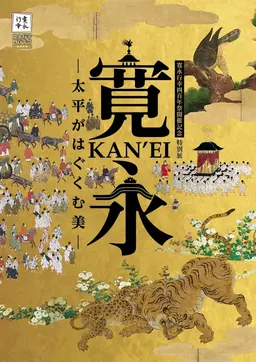
Kan'ei: Bakeak loratutako edertasuna (Kan'ei: Beauty Nurtured by Peace)
The Museum of Kyoto
 i
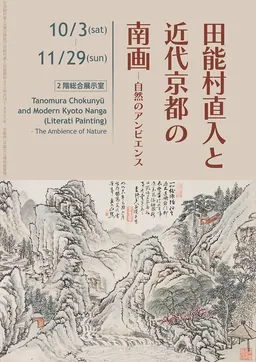
Tanomura Chokunyu eta Nanga pintura Kyotoko garai modernoan: Naturaren giroa (Tanomura Chokunyu and Nanga Painting in Modern Kyoto: The Ambience of Nature)
The Museum of Kyoto
 i
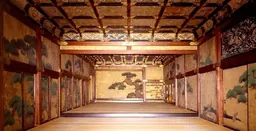
Murals Adorning the Imperial Seat: Ichi-no-ma (First Room) of the Ohiroma
Nijo Castle (Nijo-jo)
Inguruan
Irudien kredituak
8
- Children Who Grew Up with Manga: 40 Years of Manga in EuropeCourtesy of Kyoto International Manga Museum
- Kan'ei: Bakeak loratutako edertasuna (Kan'ei: Beauty Nurtured by Peace)Courtesy of The Museum of Kyoto
- Tanomura Chokunyu eta Nanga pintura Kyotoko garai modernoan: Naturaren giroa (Tanomura Chokunyu and Nanga Painting in Modern Kyoto: The Ambience of Nature)Courtesy of The Museum of Kyoto
- Murals Adorning the Imperial Seat: Ichi-no-ma (First Room) of the OhiromaCourtesy of Nijo Castle (Nijo-jo)
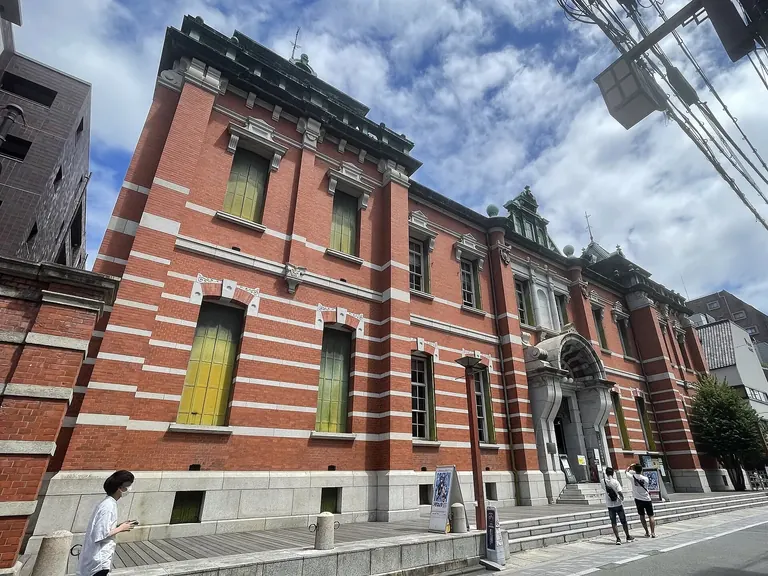
- Kyoto International Manga Museum珈琲ルンバ via Wikimedia Commons, CC BY-SA 3.0
- The Museum of KyotoTokumeigakarinoaoshima / Wikimedia Commons, CC BY-SA 4.0
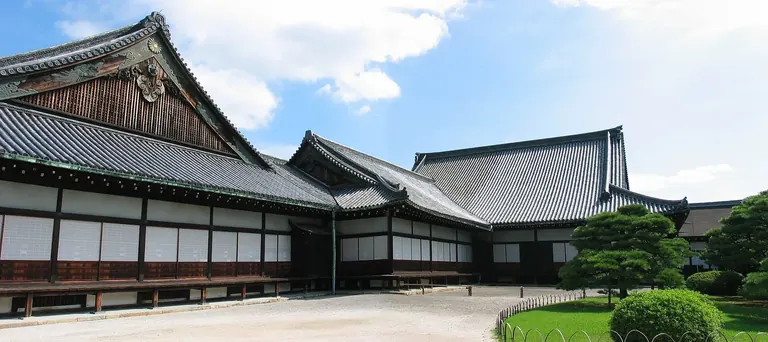
- Nijo Castle (Nijo-jo)Keith Pomakis / Wikimedia Commons, CC BY-SA 2.5
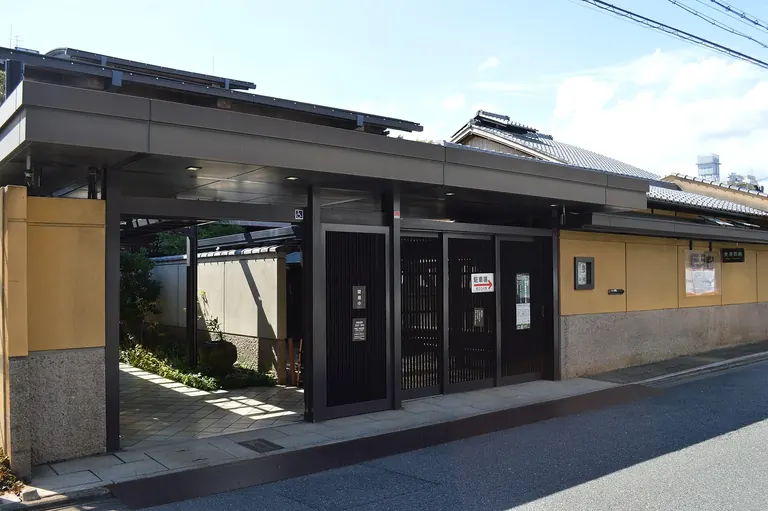
- Raku MuseumAt by At / Wikimedia Commons, CC BY-SA 3.0