 i
Centre Pompidou · Beaubourg
La Bataille des couleurs
Inaugural show at Maison Pompidou (50 rue Rambuteau) on the Centre's now-iconic colour-coded palette, and the gold, blue and brown that nearly won, told through architecture documents, photos and design objects.
المزيد في باريس
Weeks after approving the design, Georges Pompidou's office sent his culture minister a note: the model was white, and he wanted well-known colourists brought in. The original is in this show. His own idea, from Braque's lithographs, was light brown and blue. In a city of grey zinc and beige stone, the president's pick was brown.
You start with the fight, 1971 to 1977, in drawings, photographs, unpublished documents and a materials library. Vasarely wanted a gold and blue frame; after the architects' first pop palette, sixteen proposals came and went. Piano and Rogers answered with a code (blue for air, green for water, yellow for electricity, red for moving people and goods), invented, Piano now says, to protect their pop colours. The second room carries it down to tables, lamps, buckets and Michel Cadestin's steel-wire chair.
It's an archive show about a building, with no paintings. Entry is free, subject to space, 11am to 7pm, closed Tuesdays, at 50 rue Rambuteau, until 24 December.
لا تفوّت
The note from the President's office
Look for the original note Pompidou's office sent after seeing the all-white model, asking for well-known colourists to be brought in.
Michel Cadestin's Traîneau chair (1976)
Made for the building's public library, it stands on two continuous runners of galvanised steel wire, with a leather seat pad and backrest.
The everyday objects room
A table, a light fitting, buckets and cables show the architects carrying the colour code right down to the fittings.
مناسب لـ
- ثقافة بتكلفة قليلة
- أهل المدينة الباحثين عن الجديد
- عشّاق التفاصيل
- الأيام الممطرة
تجاوزه إذا
You want art on the walls: it's archives, drawings, photographs and everyday objects.
أيضًا في Centre Pompidou
يُعرض الآن في الجوار
في الجوار
مصادر الصور
9
- La Bataille des couleursCourtesy of Centre Pompidou
- Mungo Thomson: نصب تذكاري (Mungo Thomson: Monument)© Mungo Thomson. Courtesy l'artiste, galerie frank elbaz, and Karma.
- Yu Nishimura: نحو بحر (Towards a Sea)Courtesy of Lafayette Anticipations - Fondation Galeries Lafayette
- Hélène Fauquet: VivresseCourtesy of Lafayette Anticipations - Fondation Galeries Lafayette
- Centre PompidouAlf van Beem / Wikimedia Commons, CC0
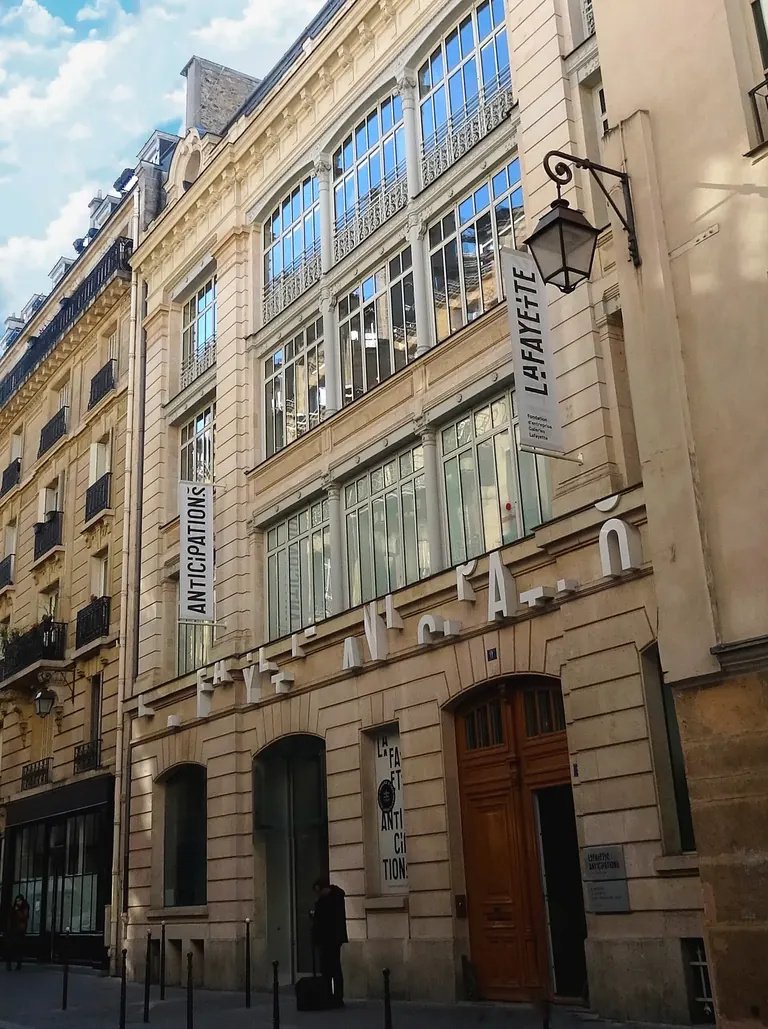
- Lafayette Anticipations - Fondation Galeries LafayettePhilouSunshine, Wikimedia Commons, CC BY 4.0
- Fondation Henri Cartier-BressonVVVCFFrance, Wikimedia Commons, CC BY-SA 4.0
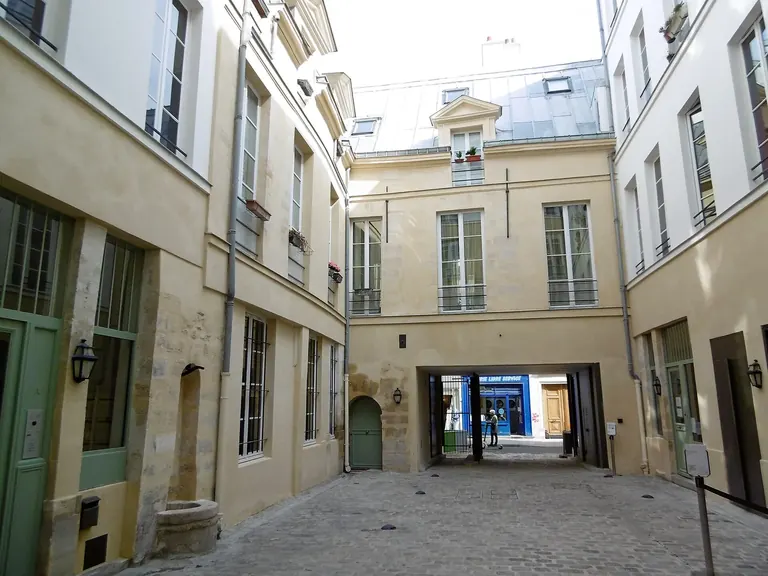
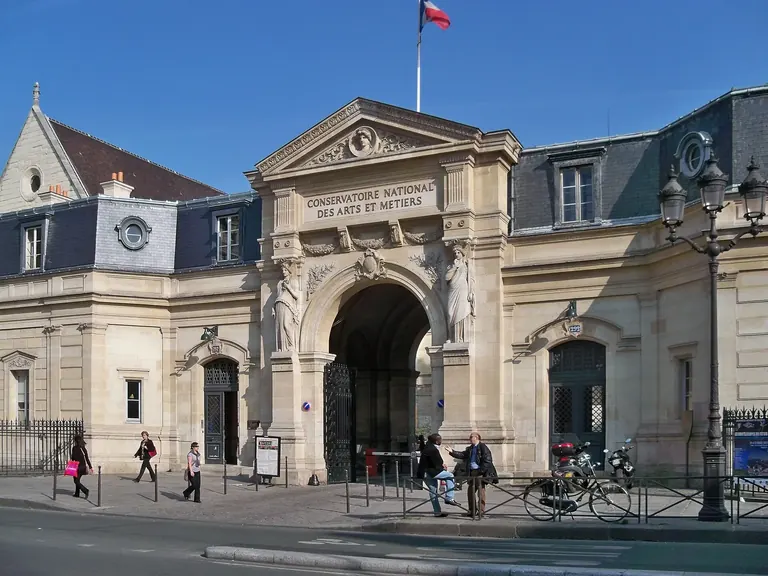
- Musée des Arts et MétiersMarianne Casamance, Wikimedia Commons, CC BY-SA 3.0
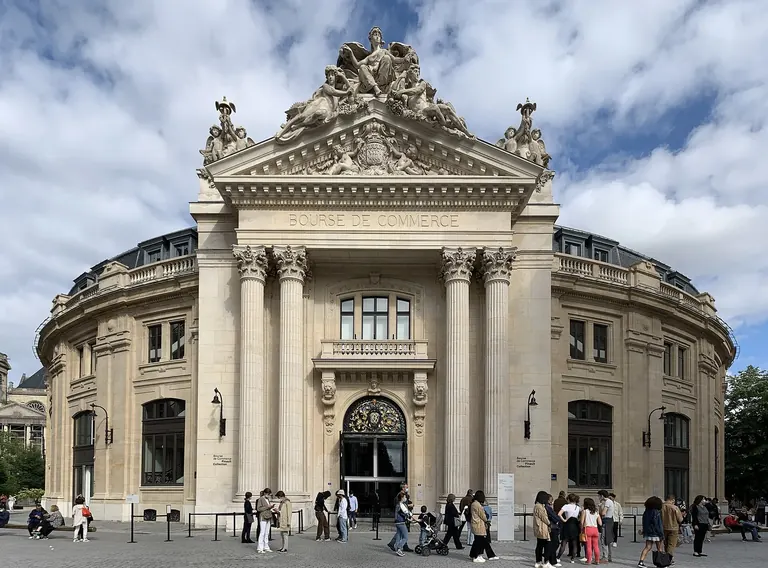
- Bourse de Commerce - Pinault CollectionChabe01, Wikimedia Commons, CC BY-SA 4.0