 i
Museo Tamayo Arte Contemporáneo · Bosque de Chapultepec
Tamayo, Nieto, Toledo. Los años en París
"The Paris Years": Oaxacan artists Rufino Tamayo, Rodolfo Nieto and Francisco Toledo, whose Paris stays fused pre-Hispanic and popular art with the avant-garde.
When Rufino Tamayo moved back to Mexico after ten years in Paris, he gave his work tools to Francisco Toledo, a young printmaker from Juchitán. As handovers go, it beats the half-empty garrafón your last flatmate left behind.
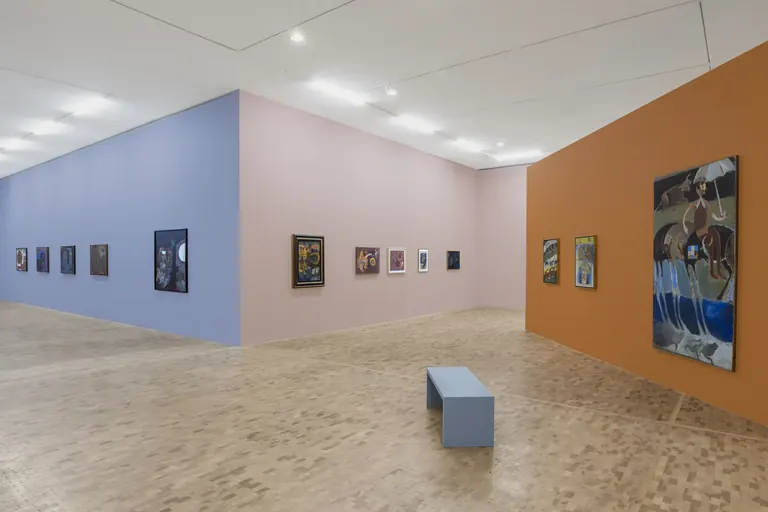
This show follows three Oaxacans in Paris: Tamayo from 1950, then Rodolfo Nieto and Toledo, a generation younger. You walk through one room per artist, each in its own colour: greens for Tamayo, blues and purples for Nieto, salmon and orange for Toledo. About 100 paintings, drawings, prints and collages come from 47 lenders, and several have never been shown in Mexico. Letters, books and objects trace their friendships with Paz, Cortázar and Borges.
La Voz de Michoacán's reviewer noted it keeps attention on the works instead of crowding the walls. Labels are sober, mostly confined to the introduction and a photo timeline, so read up beforehand if you want the backstory. It fills Salas 3 and 4 until 15 February 2027; entry is MXN 95, free on Sundays, closed Mondays.
اختيار المحرر
ثلاثة فنّانين من أواكساكا، هم روفينو تامايو ورودولفو نيتو وفرانسيسكو توليدو، وكيف مزجت سنواتهم في باريس بين فنون ما قبل الحقبة الإسبانية والفن الشعبي والطليعة الفنية. ويُعرض العمل، على نحو ملائم، في المتحف الذي حمل اسم تامايو.
لا تفوّت
Nieto's Zoología mental
Look for the eight paintings of the series in which Nieto fused humans and animals into one bestiary to picture fear, loneliness and existential dread.
La mujer temblorosa
Tamayo's 1949 oil of a human figure worked through abstraction and heavy texture, lent from a private collection and on public view here for the first time.
Toledo's La amazona and Compañero de viaje
Two early pieces from the Paris bestiary where Toledo's people and animals merge, both shown at the museum for the first time.
The Paris friendships
Letters, books and objects that record the three artists' ties to Cortázar, Paz and Borges in mid-century Paris.
مناسب لـ
- ثقافة بتكلفة قليلة
- عشّاق التفاصيل
- ضيوف من خارج المدينة
تجاوزه إذا
You want wall text to guide you: labels are sparse beyond the introduction and timeline.
مع الأطفال
Under-13s get in free, and the show's page on the museum site has a section of activities for kids.
أيضًا في Museo Tamayo Arte Contemporáneo
يُعرض الآن في الجوار
في الجوار
مصادر الصور
8
- Tamayo, Nieto, Toledo. Los años en ParísFotos: Gerardo Landa y Eduardo López (GLR Estudio)
- Marysole Wörner Baz. خلاصات المهمّشين (Marysole Wörner Baz. Redenciones marginales)Courtesy of Museo de Arte Moderno
- Tonos y sombrasCourtesy of Museo Nacional de Antropología
- El Códice de AzcatitlanCourtesy of Museo Nacional de Antropología
- Museo Tamayo Arte ContemporáneoJosé Luiz / Wikimedia Commons, CC BY-SA 4.0
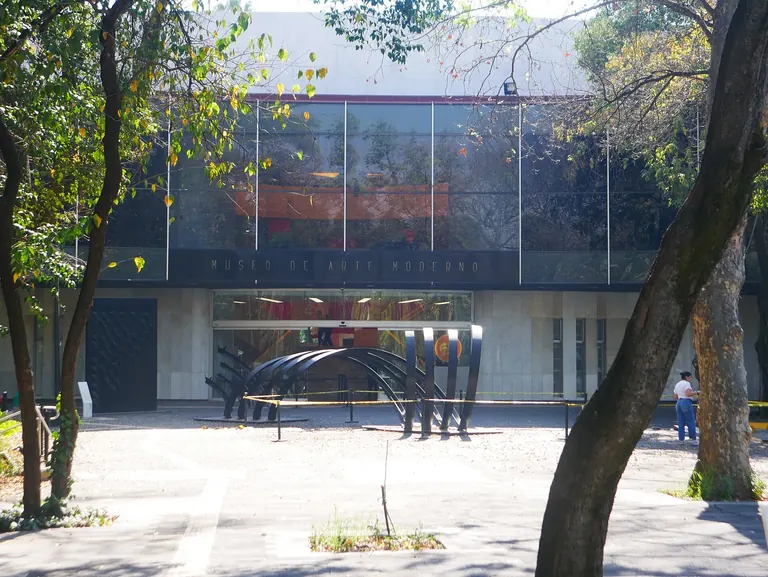
- Museo de Arte ModernoLuisalvaz / Wikimedia Commons, CC BY-SA 4.0
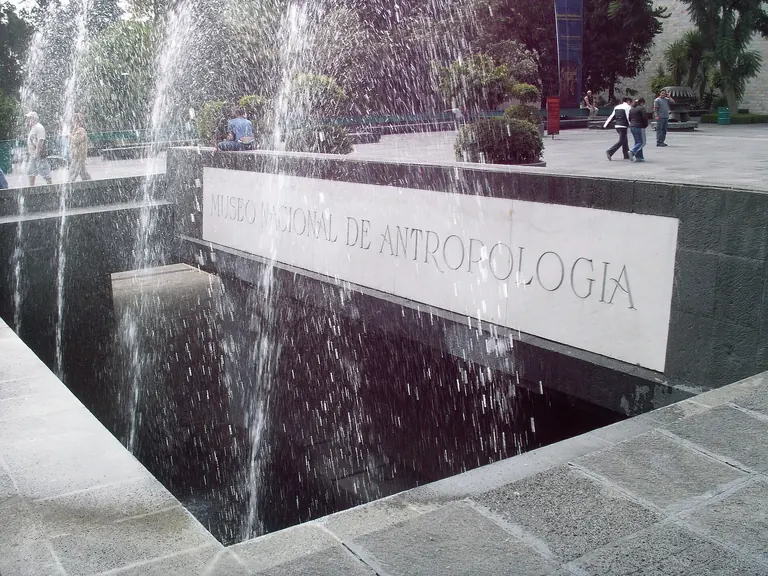
- Museo Nacional de AntropologíaHojarasca.mx / Wikimedia Commons, CC BY-SA 3.0
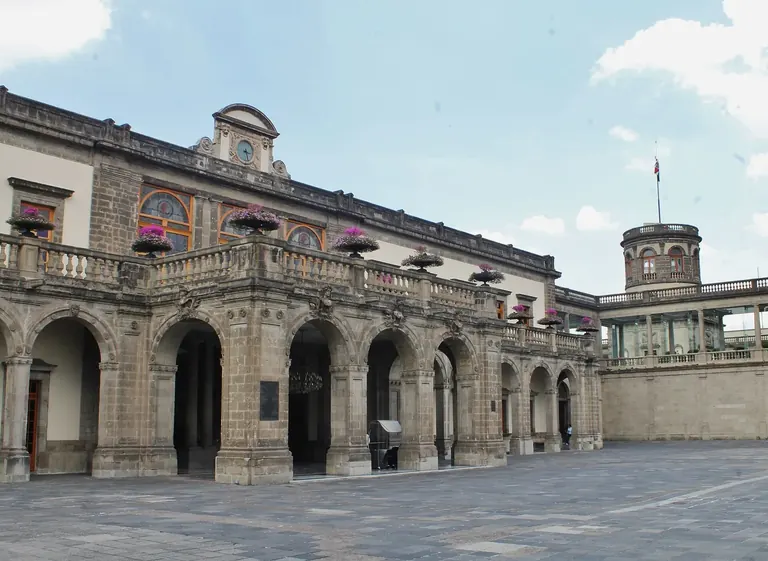
- Museo Nacional de Historia, Castillo de ChapultepecDiana du Vent / Wikimedia Commons, CC BY-SA 3.0