 i
British Museum · Bloomsbury
Korea
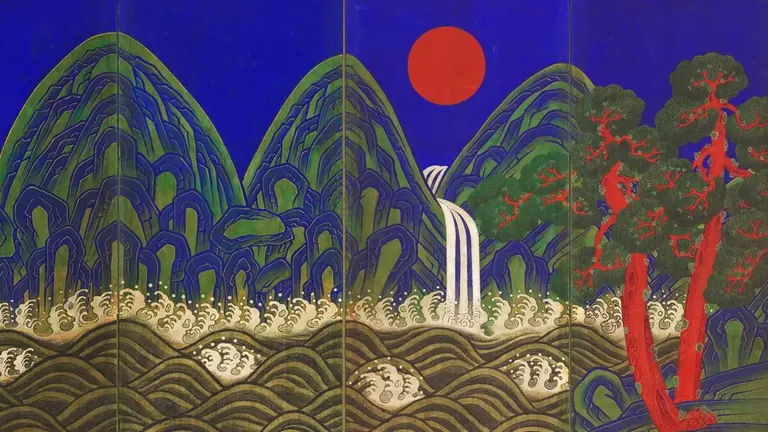
Two thousand years of Korean creativity in sculpture, painting and decorative arts, from around 300 BC to today, the most comprehensive survey seen in Europe in 40 years.
Near the end hang two small pictures by Lee Jung-seop, who was cut off from his family by the Korean War. One shows him sailing home to his wife and children. The other, scratched into the foil of a cigarette packet, shows prisoners bound in chains.
The show fills the round gallery above the Reading Room. A spine of brightly lit cases runs from Iron Age rattles to the present, with darker side rooms for Buddhist sutras, celadon and other deep dives, and a soundtrack of birdsong, wind and a temple bell. Almost everything comes from the collection of the late Samsung chairman Lee Kun-hee, now in Korea's national museums.
The critics split on the ending. The Standard thought the modern rooms finish on a high. The Guardian found the lurch into the 20th century broke the spell, and the Telegraph called the whole thing "dutiful". All three loved the older pieces. Afterwards, take the train to New Malden, London's Koreatown, and end 2,000 years on a bibimbap.
看点
Clearing After Rain on Mount Inwang
Jeong Seon's 1751 ink scroll, more than a metre wide, which the Guardian picked as the show's best response to Korea's landscape.
The moon jar
An 18th-century white porcelain jar made from two bowls joined in the middle, where you can still see the dimpled, slightly wonky seam.
The gilt bronze burial shoes
From the Silla kingdom, near the chunky gold earrings; the Standard's critic thought they looked like Gucci slippers.
Queen Inmok's sutra
A 1621 Buddhist text the widowed queen copied by hand while she was confined to an isolated palace after her son was killed.
Do Ho Suh's Self-Portrait
The last work in the show: a traditional Korean house floating above the artist, its trailing threads forming his body.
适合
- 深度爱好者
- 外地访客
可跳过,如果
You want depth on one period: the Telegraph found 2,000 years too much for one gallery.
带孩子
Under-16s go free with a paying adult.
同馆免费展览
- Africa, Oceania & the AmericasSainsbury Africa Galleries以及专门展示北美洲、墨西哥与大洋洲文化的展厅:汇聚四大洲非凡多元的文化面貌。
- Ancient Egypt Galleries木乃伊、石棺、罗塞塔石碑,以及开罗以外规模最大的埃及文物收藏,跨越五千年历史。
- Ancient Greece & Rome Galleries帕特农神庙雕塑、波特兰花瓶,以及分布于20个展厅、涵盖希腊与罗马文明的古典时代杰作。
- Asia Galleries多个展厅呈现中国、南亚、日本与东南亚的文化艺术,从唐代雕塑到日本刀具与漆器收藏,内容丰富多样。
- Clocks & Watches Gallery跨越七个世纪的计时史,从中世纪教堂大钟到镶宝石怀表,尽览世界上最精美的钟表收藏之一。
- Enlightenment GalleryRoom 1 还原了18世纪博物馆的原始面貌:堪称大型奇珍陈列室,展现启蒙运动如何塑造了人类收藏与分类世界的方式。
- Middle East & The Islamic World亚述狮子狩猎浮雕、居鲁士圆柱(Cyrus Cylinder),以及展示伊斯兰世界文明的Albukhary Foundation Gallery:纵览近东六千年历史。
- 中世纪欧洲与Sutton Hoo (Medieval Europe & Sutton Hoo)标志性的Sutton Hoo头盔、刘易斯棋子,以及来自盎格鲁-撒克逊、维京和中世纪欧洲文化的珍贵文物。
British Museum的其他展览
附近正在展出
附近
图片来源
9
- KoreaCourtesy of British Museum
- Michael Landy: 未来废墟 (Michael Landy: Future Ruins)© Michael Landy. Courtesy the artist and Thomas Dane Gallery. Photo: Prudence Cuming Fine Art Photography.
- 岁月流转 (The Coming of Age)Photo: Steven Pocock. Source: Wellcome Collection
- Rudy Loewe:关怀的亲密 – 悲伤与可能性的空间 (Rudy Loewe: Intimacies of Care – Spaces of Grief and Possibility)Courtesy of Wellcome Collection
- British MuseumHam / Wikimedia Commons, CC BY-SA 4.0
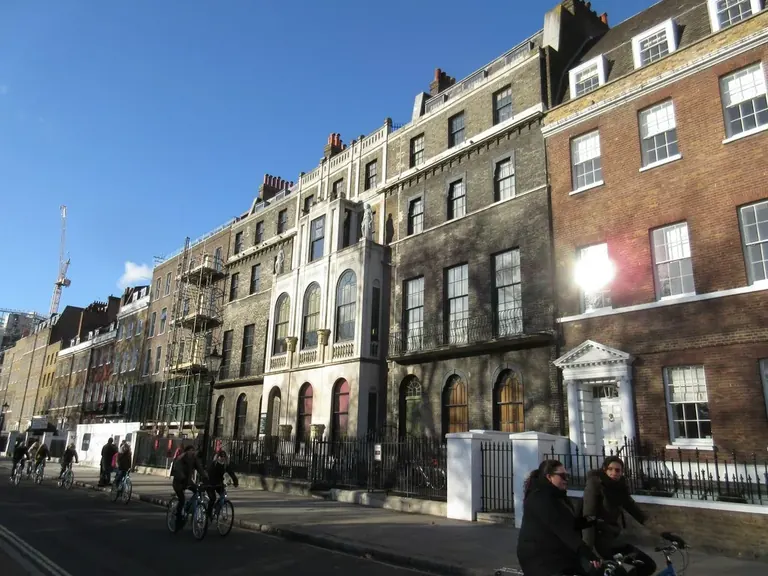
- Sir John Soane's MuseumSarah Smith / Wikimedia Commons, CC BY-SA 3.0
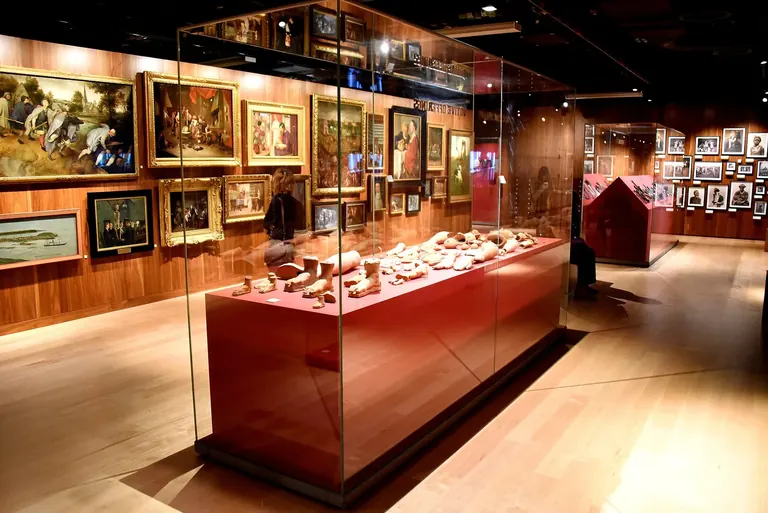
- Wellcome CollectionOsama Shukir Muhammed Amin FRCP(Glasg) / Wikimedia Commons, CC BY-SA 4.0
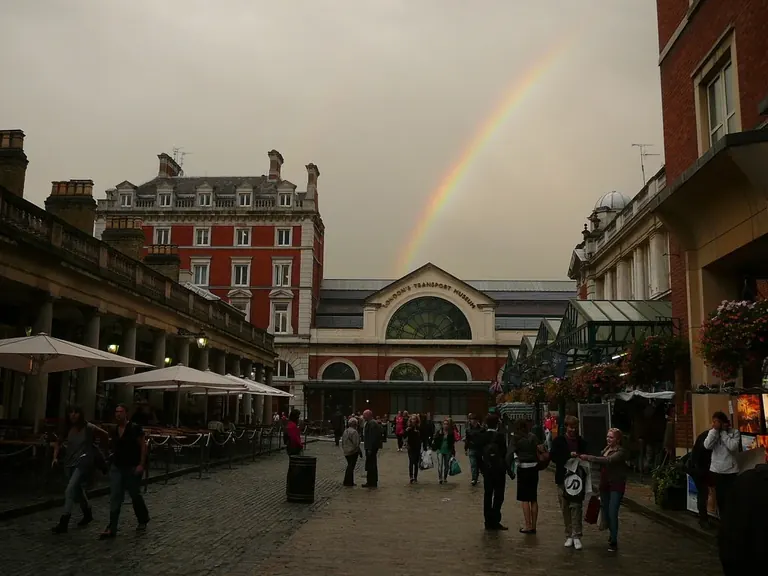
- London Transport MuseumColin Park / Wikimedia Commons, CC BY 2.0
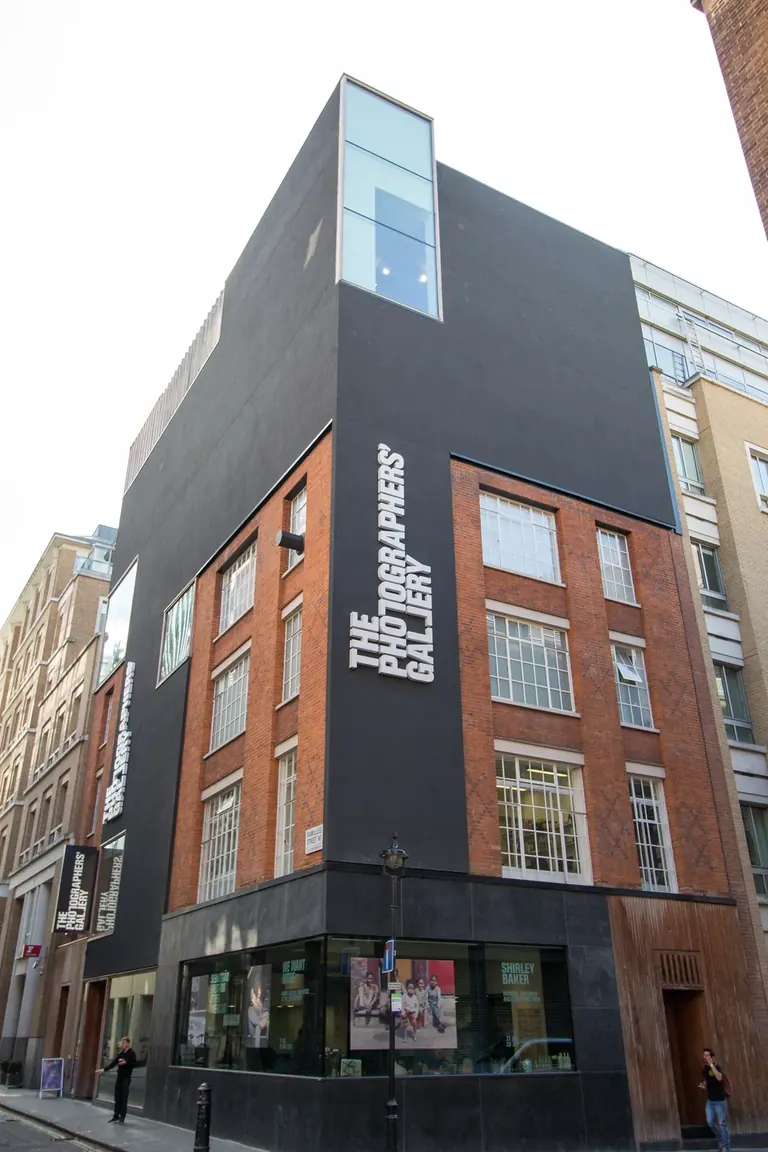
- The Photographers' GalleryThe wub / Wikimedia Commons, CC BY-SA 4.0