 i
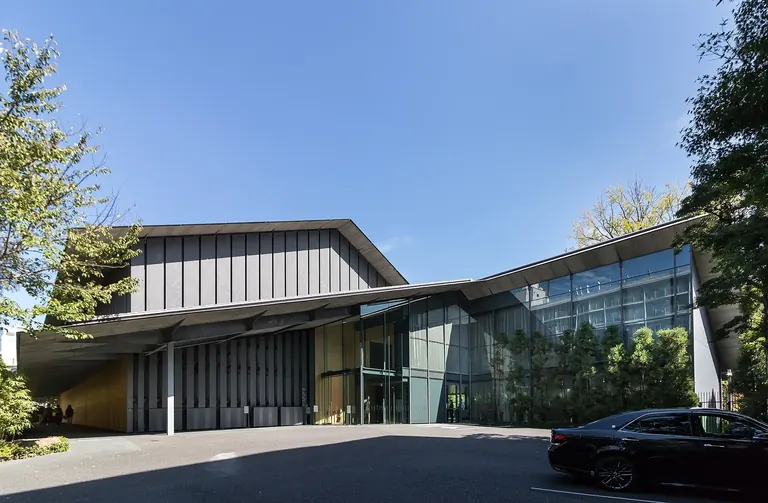
Nezu MuseumMinami-Aoyama
A Ceramic Travelogue: China, Japan, and the Korean Peninsula
התערוכה הסתיימה.
Museum-collection exhibition drawing on the Nezu's 2,300 ceramics, with Chinese, Japanese and Korean wares shown side by side across three galleries.
אתר המוזיאוןעוד בטוקיו
In Gallery 1 a Northern Song ewer sits in its own basin. The basin was filled with hot water to keep the wine in the ewer warm, nine centuries before One Cup sake reached the vending machines. From there the Chinese room runs from a green-glazed tower model made for a Han tomb to Ming vases with gold over the enamel.
The Nezu picked 101 pieces from its 2,300 ceramics and split them by region. Gallery 1 is China, with 54 works. Gallery 2 is Japan, from Momoyama-period Oribe to the early 20th century, including dishes by Ogata Kenzan, brother of the painter of the museum's Irises screens. Gallery 5 is the Korean Peninsula: Goryeo celadon and Joseon white porcelain. You walk the three rooms in order, so the comparison does the work.
It closes on Monday 12 October, a holiday, so the museum opens. Date-specific tickets are ¥1,400 online or ¥1,600 on the day, students ¥600/¥800, high-school age and younger free with ID. Last entry 16:30.
לא לפספס
Ewer and basin with peony design
Look in Gallery 1 for this 11th-century Yue ware pair: the basin held hot water to warm the wine in the ewer standing inside it.
Green-glazed four-storey tower
A Later Han tomb model in green glaze that shows, storey by storey, how a multi-level tower was built.
Ming vase with gold peonies
A 16th-century Jingdezhen vase with a boldly swelling lower body, painted in red and green enamels with peonies picked out in gold.
Ogata Kenzan's dishes
In Gallery 2, hand-formed Kyoto earthenware dishes painted in iron, cobalt and gold with scenes from nature across the four seasons.
Inlaid Buddhist cabinet
In Gallery 5, a 15th-century Joseon cabinet for a Buddhist image or sutra, its peonies incised and filled with white slip, a rare use of inlay.
עם ילדים
High-school age and younger enter free with student ID.
Nezu Museum: עוד תערוכות
עכשיו בסביבה
בסביבה
קרדיט לתמונות
8
- Nezu MuseumKakidai / Wikimedia Commons, CC BY-SA 4.0
- יצירות מופת מתקופת הרנסנס מ־Musée du Louvre (Masterpieces of the Renaissance from the Musée du Louvre)Courtesy of The National Art Center, Tokyo
- Shojo Manga Infinity: Moto Hagio, Ryoko Yamagishi, and Waki Yamato(left) © Moto Hagio / Shogakukan (center) © Ryoko Yamagishi (right) © Waki Yamato / Kodansha
- Mariko Mori: כל הנוצץ (Mariko Mori: All That Shines)Courtesy of Mori Art Museum
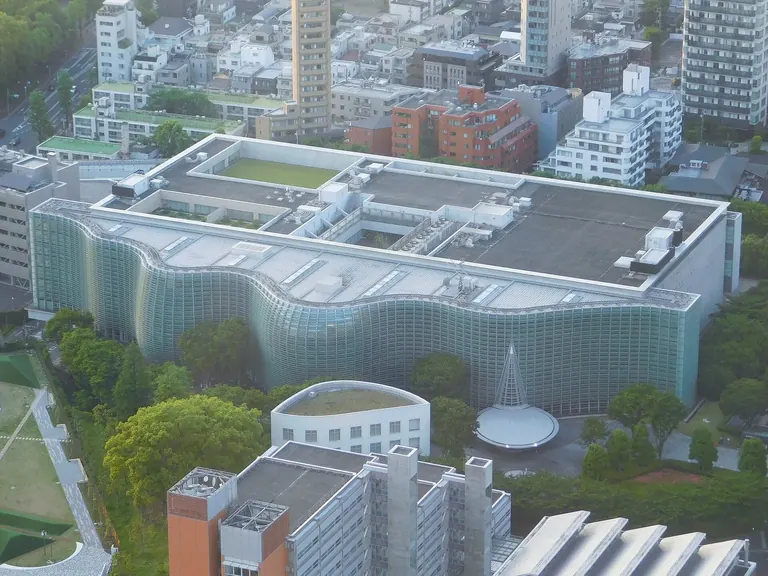
- The National Art Center, TokyoAkonnchiroll / Wikimedia Commons, CC BY-SA 4.0
- Mori Art MuseumCharles Deluvio via Wikimedia Commons, CC0
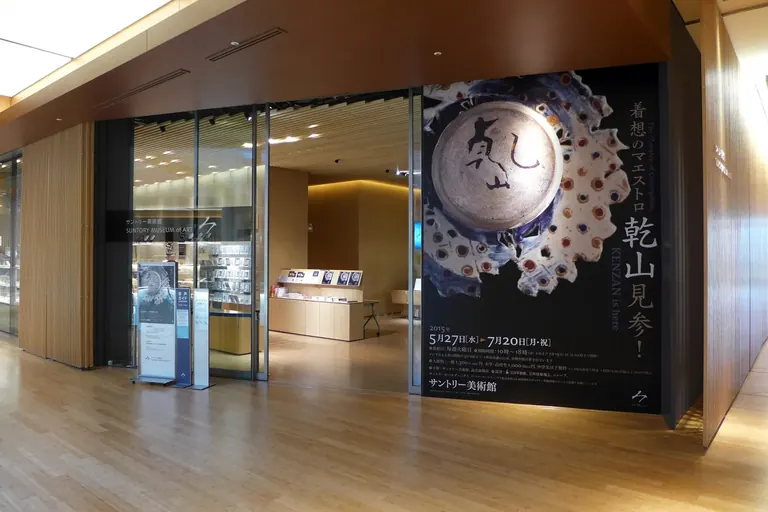
- Suntory Museum of ArtWpcpey, CC BY-SA 4.0
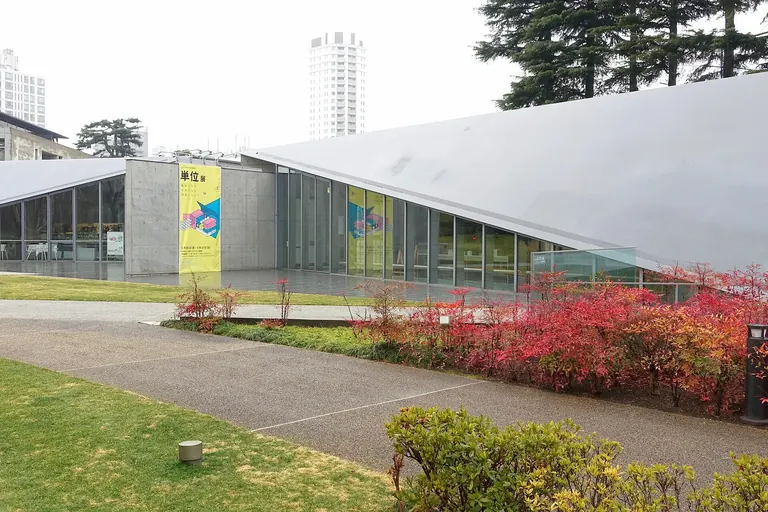
- 21_21 DESIGN SIGHTDaderot, CC0