Musée du quai Branly - Jacques Chirac · הרובע ה־7
Silent Violence: Through the Eyes of Romeo Mivekannin
Artist Romeo Mivekannin uses mirror effects and metal sculptures to examine the history of colonial exhibitions and human zoos, reinterpreting historical ethnographic photographs from the museum's collection.
עוד בפריז
תצוגה מקדימה: נכתב לפני פתיחת התערוכה
Four metal aviaries stand in the Galerie Marc Ladreit de Lacharrière, forged in Abidjan. Each one reproduces a Paris institution that showed ethnographic collections: the Trocadéro museum, the west wing of the Palais de Chaillot, the Musée de la Porte Dorée and the quai Branly itself.
Around them hang fourteen large canvases by Roméo Mivekannin, painted on sheets with acrylic and mud elixir. They rework photographs from the museum's own collection of human exhibitions at the Trocadéro, the Champ de Mars, the Jardin d'Acclimatation and the Folies Bergère, the Sunday outings where Parisians watched people presented as curiosities. The original photographs sit behind two-way mirrors, so you look at them from the spectator's side of the glass. Mivekannin also inserts his own self-portrait into the scenes.
Tickets are €14, or €11 reduced, and cover the whole museum. It is open until 22:00 on Thursdays and closed on Mondays.
בחירת העורכים
Romeo Mivekannin מעבד מחדש תצלומים אתנוגרפיים מאוסף המוזיאון עצמו, באמצעות מראות ופסלי מתכת, כדי לבחון תערוכות קולוניאליות וגני חיות אנושיים.
לא לפספס
Four metal aviaries
Cages forged in Abidjan, each reproducing a Paris ethnography institution: the Trocadéro, the Palais de Chaillot west wing, the Porte Dorée and the quai Branly.
Fourteen large canvases
Painted on sheets with acrylic and mud elixir, they rework archive photographs of human exhibitions, with the artist's self-portrait inserted into the scenes.
Photographs behind two-way mirrors
The original archive images from the museum's collection are seen through mirrors, which puts you in the position of the Parisian onlooker.
מתאים ל
- ביקורי ערב
- צלילה לעומק
Musée du quai Branly - Jacques Chirac: עוד תערוכות
עכשיו בסביבה
בסביבה
קרדיט לתמונות
8
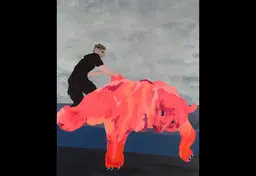
- Florian Krewer: אריג דק (Florian Krewer: woven thin)Courtesy of Musée d'Art Moderne de Paris (MAM)
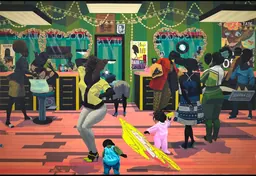
- Kerry James Marshall: ההיסטוריות (Kerry James Marshall: The Histories)Courtesy of Musée d'Art Moderne de Paris (MAM)
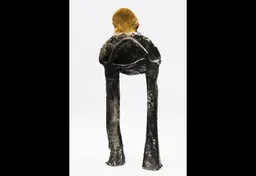
- Simone Fattal: Des villes au fond d'un lacPhoto : François Doury © Adagp, Paris, 2026
- Musée du quai Branly - Jacques ChiracJean-Pierre Dalbera, CC BY 2.0
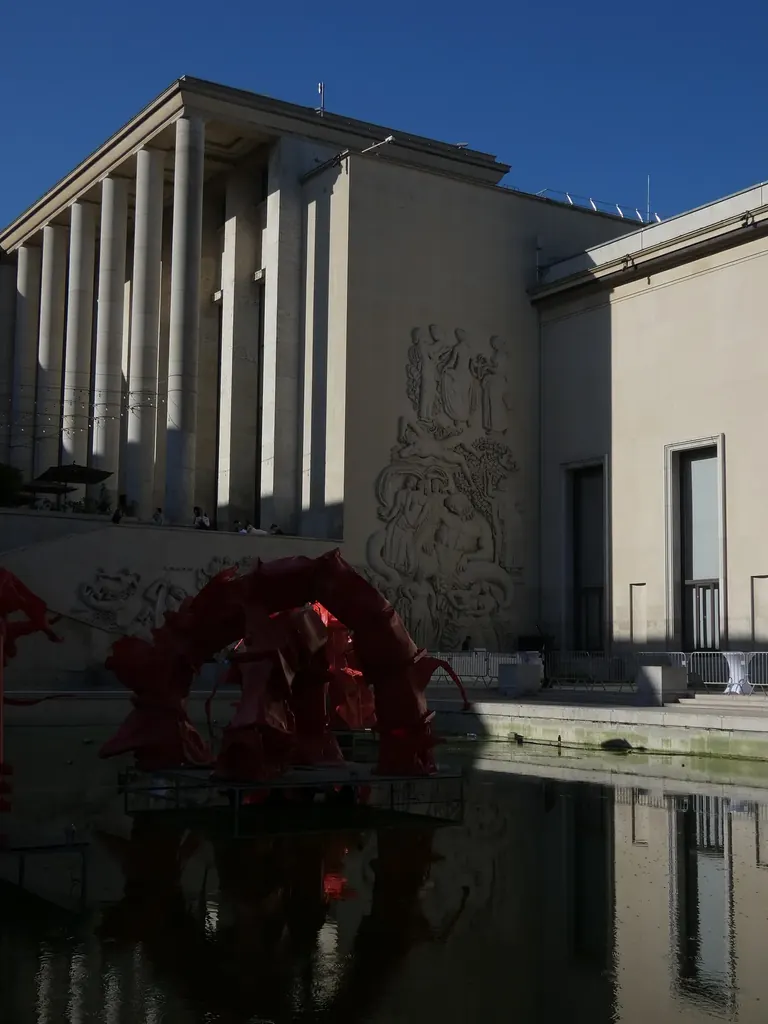
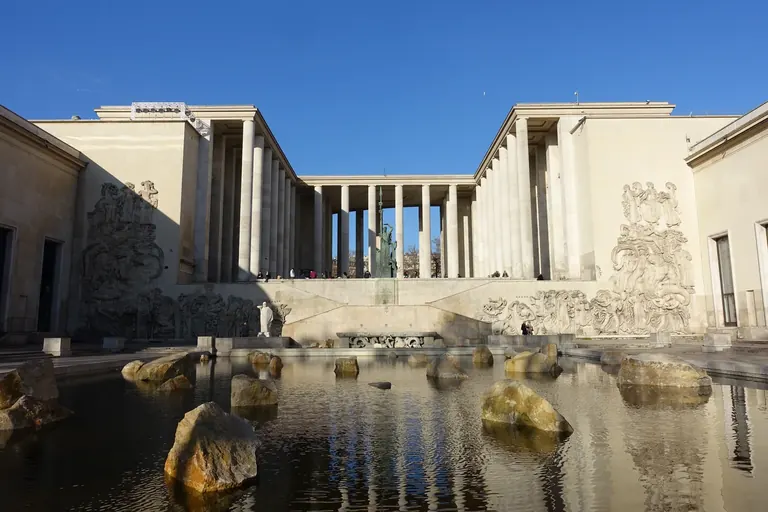
- Musée d'Art Moderne de Paris (MAM)Lustucrucaca / Wikimedia Commons, CC BY-SA 4.0
- Palais de TokyoGuilhem Vellut via Wikimedia Commons, CC BY 2.0
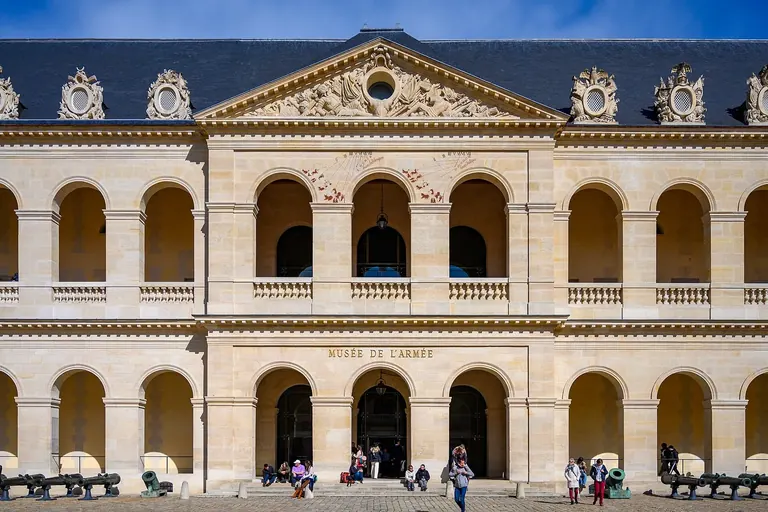
- Musée de l'Armée (Les Invalides)xiquinhosilva from Cacau / Wikimedia Commons, CC BY 2.0
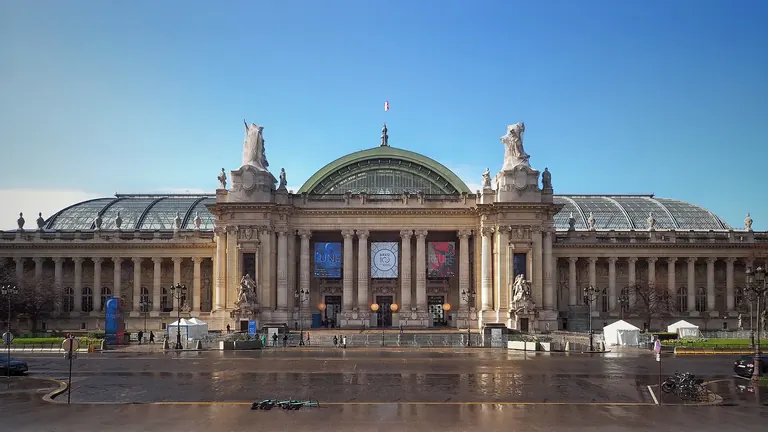
- Grand PalaisȘtefan Jurcă / Wikimedia Commons, CC BY 2.0