 i
Palazzo Grassi · San Marco
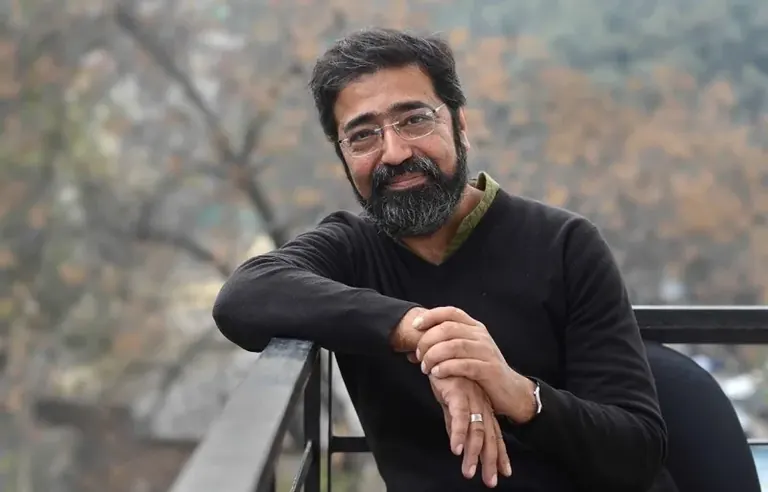
Amar Kanwar. Co-travellers
Two multimedia installations by Indian artist Amar Kanwar, The Torn First Pages and The Peacock's Graveyard: poetic, political meditations on justice, mortality and impermanence.
Ko Than Htay, a bookseller in Myanmar, tore the first page out of every book he sold, because that page carried the military regime's declarations. Amar Kanwar built The Torn First Pages around that gesture: metal frames running through three rooms on Palazzo Grassi's second floor, holding video, printed material and activists' footage of demonstrations.
Then you walk into a completely dark central room for The Peacock's Graveyard, made nearly twenty years later, in 2023. On seven almost invisible screens, images and Kanwar's own texts surface and dissolve over 28 minutes, telling five short fables about death and impermanence to a raga by the pianist Utsav Lal.
ACC Art called it "one of the most intellectually and emotionally restrained exhibitions" in Venice, built on "stillness, slowness and moral attention". Give the dark room its full 28 minutes. The €20 ticket also covers Michael Armitage's paintings in the same palazzo and Punta della Dogana; under-20s go free. Closed Tuesdays, last entry 17:00.
No et perdis
The Torn First Pages
Look for the metal frames running through three rooms, holding video, printed matter and activists' footage of Myanmar's demonstrations, all built around one bookseller's torn-out pages.
The dark room of The Peacock's Graveyard
In a completely dark central room, seven nearly invisible screens carry images and Kanwar's texts that appear and fade without hierarchy.
Five fables and a raga
The 28-minute work tells five short fables about death and impermanence, set to a raga composed by the pianist Utsav Lal.
Ideal per a
- En solitari
- Friquis
Millor evitar-ho si
You want spectacle: it's archive video, dark rooms and a slow 28-minute work of text and images.
Amb infants
Under-20s get in free. The main room is completely dark, and the subjects are military dictatorship and death.
També a Palazzo Grassi
Ara a prop
 i
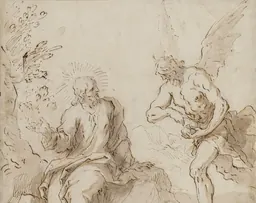
Sota el signe de Venècia: la donació d’Alessandro Favaretto Rubelli (Nel segno di Venezia: The Alessandro Favaretto Rubelli Donation)
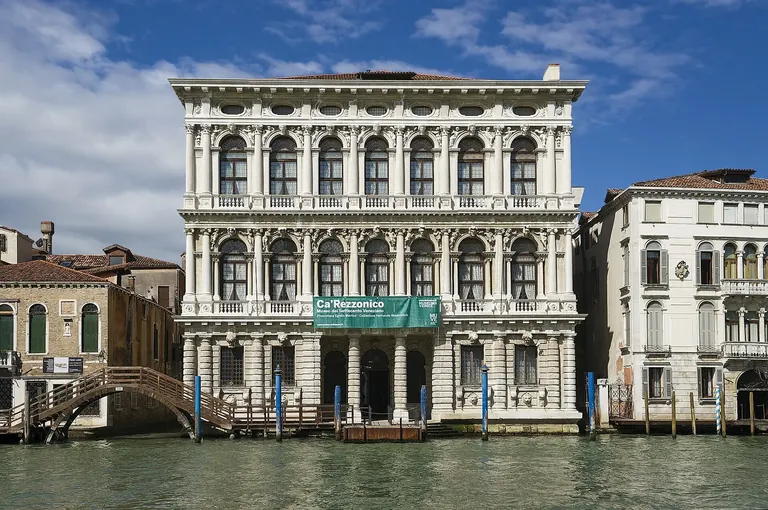
Ca' Rezzonico – Museo del Settecento Veneziano
 i
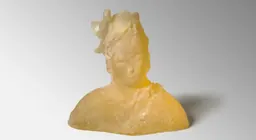
Leiko Ikemura. TransLucent – La forma de la llum (Leiko Ikemura. TransLucent — La forma della luce)
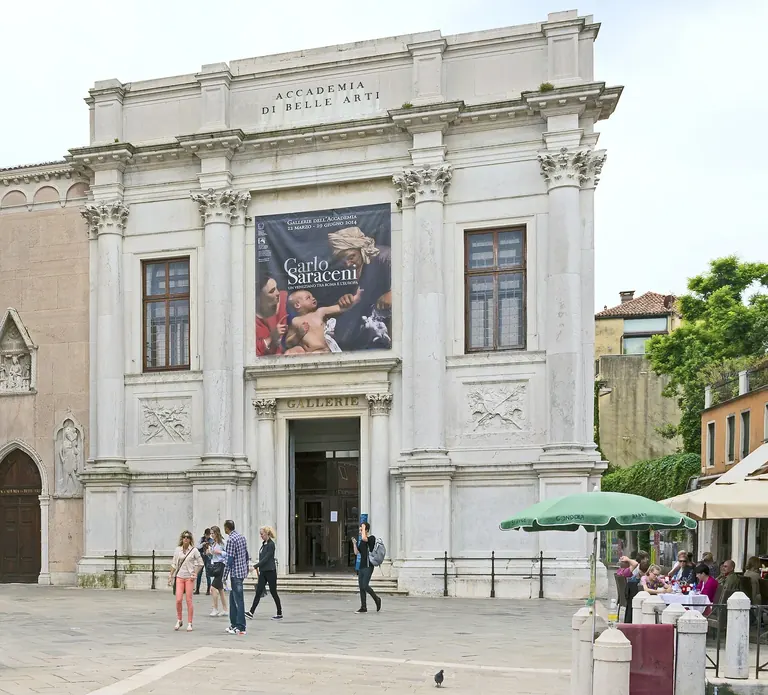
Gallerie dell'Accademia
 i
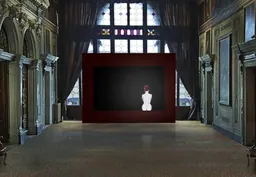
El tarbuix. Quan un accessori esdevé símbol (The Tarbouche. When an Accessory Becomes a Symbol)
Palazzo Mocenigo – Museum of Textiles and Costume
A prop
Crèdits de les imatges
9
- Amar Kanwar. Co-travellersCourtesy of Palazzo Grassi
- Sota el signe de Venècia: la donació d’Alessandro Favaretto Rubelli (Nel segno di Venezia: The Alessandro Favaretto Rubelli Donation)Courtesy of Ca' Rezzonico – Museo del Settecento Veneziano
- Leiko Ikemura. TransLucent – La forma de la llum (Leiko Ikemura. TransLucent — La forma della luce)© Leiko Ikemura. Photo: Jörg von Bruchhausen
- El tarbuix. Quan un accessori esdevé símbol (The Tarbouche. When an Accessory Becomes a Symbol)Courtesy of Palazzo Mocenigo – Museum of Textiles and Costume
- Palazzo GrassiDidier Descouens / Wikimedia Commons, CC BY-SA 4.0
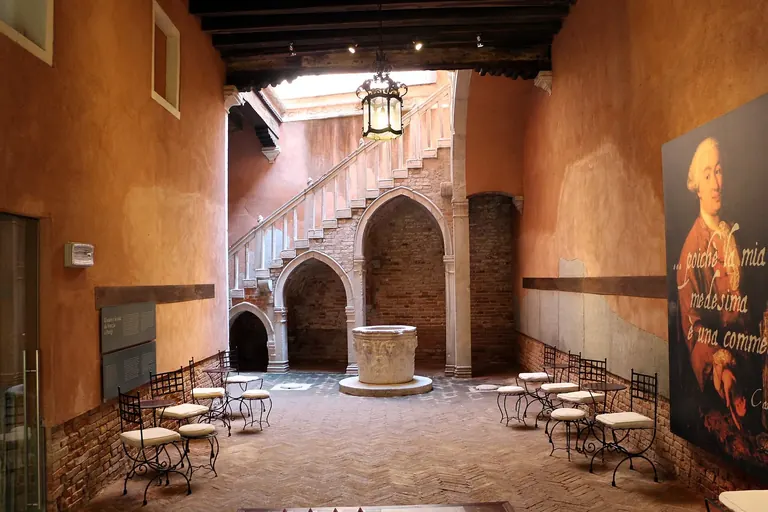
- Casa di Carlo GoldoniSailko / Wikimedia Commons, CC BY 3.0
- Ca' Rezzonico – Museo del Settecento VenezianoDidier Descouens / Wikimedia Commons, CC BY-SA 4.0
- Gallerie dell'AccademiaDidier Descouens / Wikimedia Commons, CC BY-SA 4.0
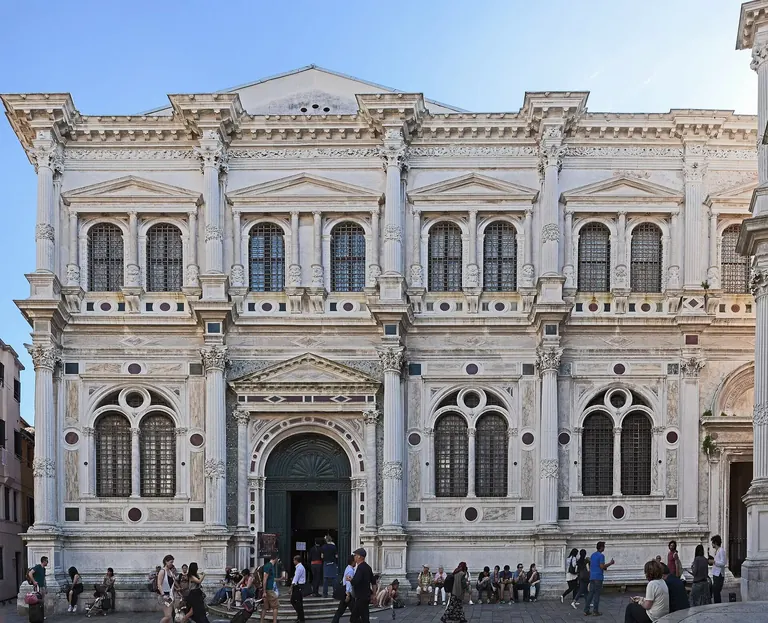
- Scuola Grande di San RoccoDidier Descouens / Wikimedia Commons, CC BY-SA 4.0