 i
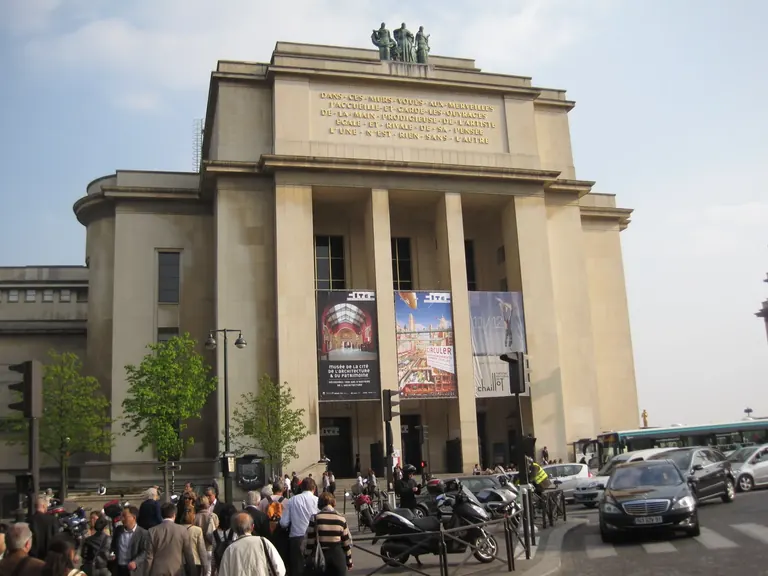
Musée national de la MarineChaillot
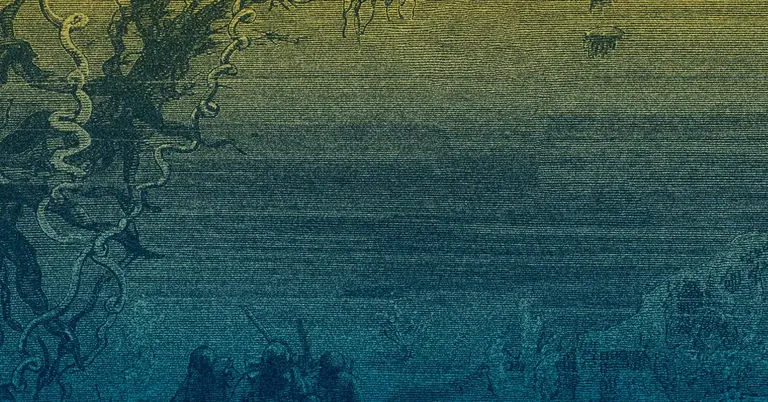
L'appel des profondeurs. Une aventure sous les mers de l'Antiquité à nos jours
Nearly 280 works on humanity's fascination with the seabed, from antiquity to today, across science, imagination and the conquest of the deep.
المزيد في باريس
Near the start, a clay plaque made on the Greek island of Melos around 470 BC shows Scylla, the sea monster sailors feared. Some 2,500 years later, the route ends in the dark with Julian Charrière's film Midnight Zone. In between, about 280 pieces across 800 m² ask why people kept going under with no air, no light and crushing pressure.
You move through four chronological sections: pearl and sponge divers, the diving bell, heavy diving suits, Cold War submarines, offshore drilling and the Japanese Ama free divers. Four small cabinets break it up, on founding myths, the octopus, sunken cities and the mermaid, and Aquaman turns up too. The lighting stays low throughout. Sortiraparis, writing on a press invitation, said each theme could fill a show of its own and advised reading the wall texts to find the best stories.
Tickets are €15 (€12 reduced), booked online in timed slots. It's closed Tuesdays and open until 22:00 on the first Thursday of the month.
لا تفوّت
Scylla on a clay plaque
A small terracotta relief from Melos, about 475 to 450 BC and lent by the Louvre, showing the monster that haunted ancient sailors.
The ofurumo crest mask
An Ijo animal mask from the Niger Delta, carved in red ochre wood and whitened with kaolin, lent by the musée du quai Branly.
Haeckel's sea creatures
Plates from Ernst Haeckel's Kunstformen der Natur (1899 to 1904), where jellyfish and radiolarians are drawn as symmetrical ornaments.
Verne's illustrated Twenty Thousand Leagues
The 1871 Hetzel edition of Vingt mille lieues sous les mers, with its 111 engravings after de Neuville and Riou.
Midnight Zone, the finale
Julian Charrière's projection closes the show, with slow images that blur the deep sea and the inner self.
مناسب لـ
- الزيارات المسائية
- عشّاق التفاصيل
- مراهقون
مع الأطفال
Families get a free illustrated game booklet for children, drawn by Maëliss Font. The rooms are dimly lit throughout.
أيضًا في Musée national de la Marine
يُعرض الآن في الجوار
في الجوار
مصادر الصور
8
- L'appel des profondeurs. Une aventure sous les mers de l'Antiquité à nos joursCourtesy of Musée national de la Marine
- Ma Kelu, Le souffle et le vide© Ma Kelu
- Kennedy Yanko, Ce qui nous rassemble© Kennedy Yanko
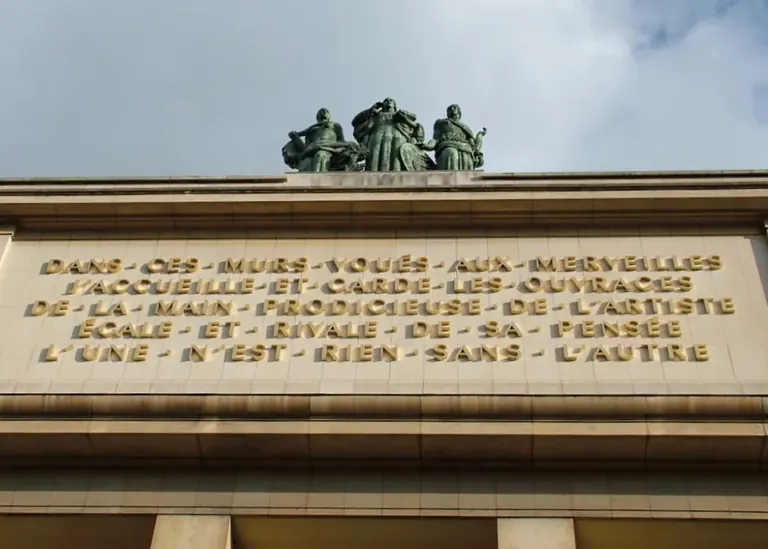
- Musée national de la MarineLeCardinal / Wikimedia Commons, CC BY 3.0
- Cité de l'architecture et du patrimoineArnaud 25 / Wikimedia Commons, CC BY-SA 3.0
- Musée de l'HommePso / Wikimedia Commons, CC BY-SA 2.5
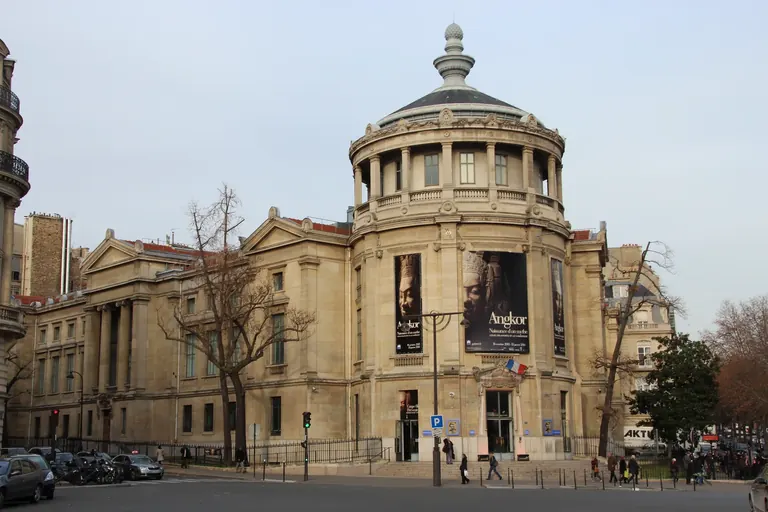
- Musée national des arts asiatiques - GuimetLionel Allorge / Wikimedia Commons, CC BY-SA 3.0
- Musée du quai Branly - Jacques ChiracJean-Pierre Dalbera, CC BY 2.0