 i
Itsuo Art MuseumIkeda
Nomu: Tea, Sake and Smoking Vessels
128 works on three senses of "nomu": drinking tea, sipping sake and smoking, from tea bowls and sake flasks to pipes and tobacco trays.
المزيد في أوساكا
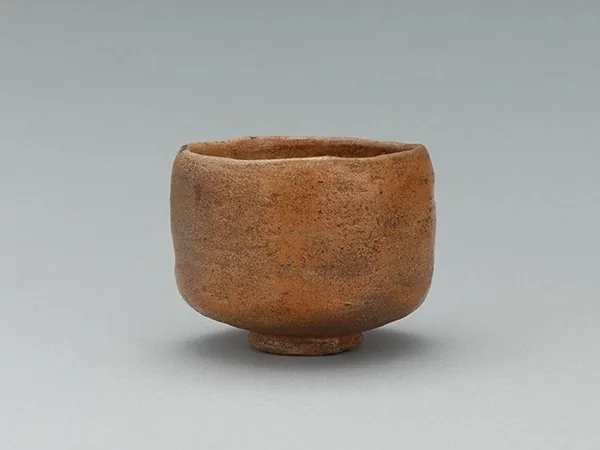
A red raku tea bowl by Raku Chojiro, the potter who worked for Sen no Rikyu, shares a show with a cloisonné tobacco pipe and five gilded 20th-century teacups. The link is one Japanese verb: nomu, which covers drinking tea, drinking sake and smoking.
The 128 works are split into those three ways to nomu. Tea brings bowls, sencha utensils, glass and Western cups. Sake brings flasks and cups, from a Momoyama Oribe cup to an Edo purple-glass bottle. Smoking brings pipes, tobacco trays and paintings of people using them. Ikeda, like nearby Itami and Nishinomiya, was an Edo-period sake town, and the three towns' museums run a stamp rally across their autumn shows.
No reviews have appeared, so judge it by the list: mostly ceramics and lacquer from Kobayashi Ichizo's collection. Adults pay 700 yen. On Sundays the museum serves matcha and sweets in Sokushin-an, a tea room with chairs, so your knees survive the tea ceremony; tickets go on sale at reception from 10:00.
اختيار المحرر
128 objects built on one Japanese verb, nomu, which covers drinking tea, sipping sake and smoking. Tea bowls and sake flasks share the rooms with pipes and tobacco trays.
لا تفوّت
Red raku tea bowl "Tokiwa"
Look for the red raku bowl by Raku Chojiro, made in the Momoyama period and given the poetic name Tokiwa.
Kenzan's chrysanthemum bowl
A tea bowl painted with chrysanthemums by Ogata Kenzan, the Edo potter and brother of the painter Korin.
Purple glass sake bottle
An Edo-period sake bottle in purple glass with a hollyhock pattern, shown with its matching cups.
Cloisonné pipe and Suma-Akashi tobacco tray
An enamelled Edo kiseru pipe, next to a handled tobacco tray in gold-flecked lacquer decorated with the coast of Suma and Akashi.
مناسب لـ
- ثقافة بتكلفة قليلة
- أهل المدينة الباحثين عن الجديد
- عشّاق التفاصيل
أيضًا في Itsuo Art Museum
يُعرض الآن في الجوار

مصادر الصور
4
- Nomu: Tea, Sake and Smoking VesselsCourtesy of Itsuo Art Museum
- New Discoveries! Osaka's Archaeology 2026Courtesy of Osaka Museum of History
- Andrew WyethChristina Olson, 1947, Myron Kunin Collection, Minneapolis. Photo: Curtis Galleries, Inc. © 2026 Wyeth Foundation for American Art / ARS, New York / JASPAR, Tokyo
- Itsuo Art Museum663highland / Wikimedia Commons, CC BY 2.5