 i
Museum der Kulturen BaselAltstadt Grossbasel
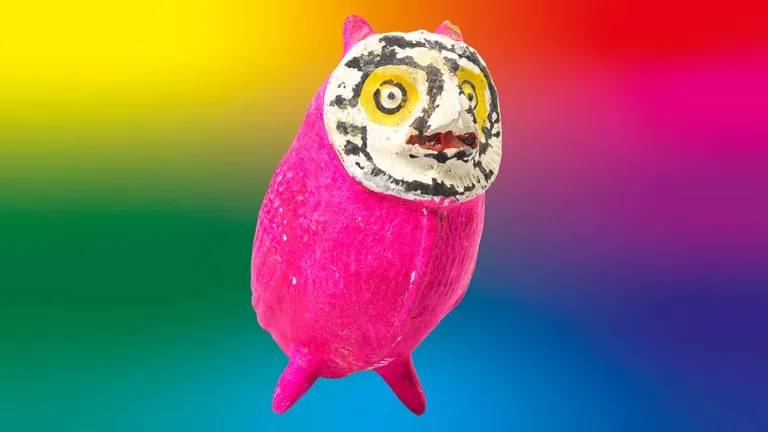
Die Eule ist pink
Around 200 objects show how colours are made, traded and used for protection, decoration and communication, with hands-on stations and an audio guide.
المزيد في بازل
In the first room, owls sit on the shelves of a painted tree, most of them brown, grey and white clay flutes. One small flute from Mexico is pink, and the wall text lets it explain why.
About 200 objects tell more than twenty stories of how people make and use colour. In the second room, Basel carnival masks, cow decorations and hand-coloured photos show what colour adds, and you can follow batik dyeing step by step. The third room is the loud one: carmine ponchos, purple wedding skirts, green feather crowns, indigo balls. A wall of dye-packet labels recalls Basel as a dye-chemistry hub in the late 1800s. Some say J.R. Geigy, which sold colour long before the city was known for pills.
The show was built with children and with blind and deaf people: easy language, sign-language screens, things to touch, colours to smell. In the last room your own drawings join the walls. Tickets are CHF 16, CHF 11 reduced, free first Sundays.
لا تفوّت
The pink owl
Look for the small Mexican vessel flute with pink feathers and round yellow eyes, perched on a painted tree among its brown, grey and white owl friends.
The Wyschywanka blouses
Three white Ukrainian blouses with bright embroidery at the sleeves and collar, once meant to ward off evil and now worn as a sign of resistance and solidarity.
The carmine reds
Rugs, ponchos and skeins of wool dyed with carmine, a red made from scale insects on prickly pear cactus and traded between the Americas and Europe under Spanish rule.
The Basel dye labels
A dark wall of small labels from Basel dye firms, printed with elephants, a junk at sea and a lion balancing on a barrel.
The carnival mask station
Blank white Fasnacht masks hang on the wall, and at a screen beside them you paint one yourself.
مناسب لـ
- الأيام الممطرة
- أطفال صغار
مع الأطفال
Children up to 12 get in free, and the show was made with kids: hands-on stations, things to touch and smell, and a whole last room for making. The museum also runs family workshops on the show for ages 6 and up.
أيضًا في Museum der Kulturen Basel
يُعرض الآن في الجوار
في الجوار
مصادر الصور
8
- Die Eule ist pinkCourtesy of Museum der Kulturen Basel
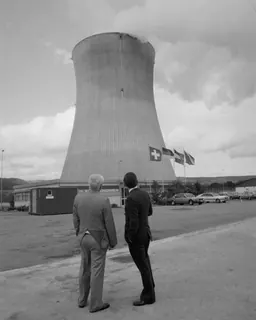
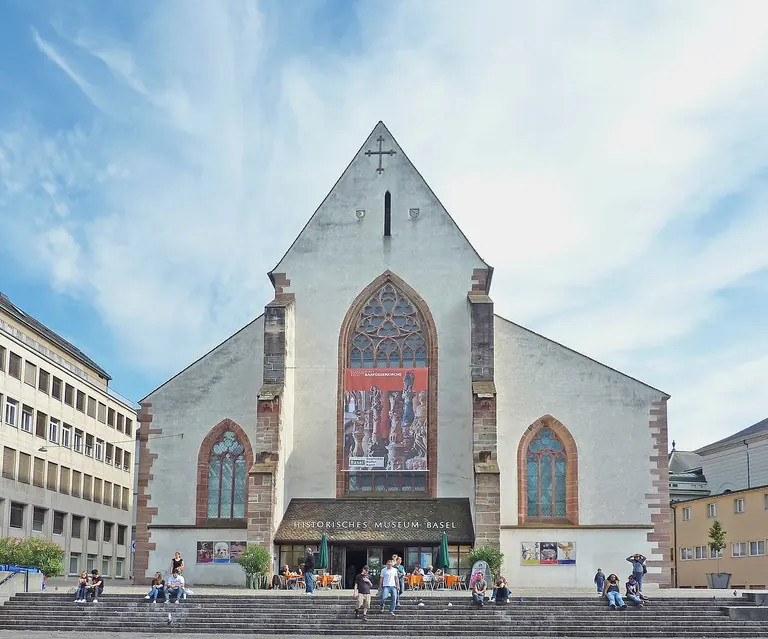
- Atomkraft: Deine EntscheidungCourtesy of Historisches Museum Basel (Barfüsserkirche)
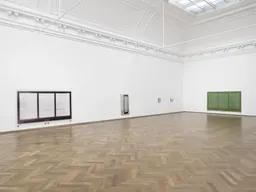
- Gili Tal: Light and AiryGili Tal, Light and Airy, exhibition view, Kunsthalle Basel, 2026, photo: Philipp Hänger / Kunsthalle Basel
- Museum der Kulturen BaselRaimond Spekking / Wikimedia Commons, CC BY-SA 4.0
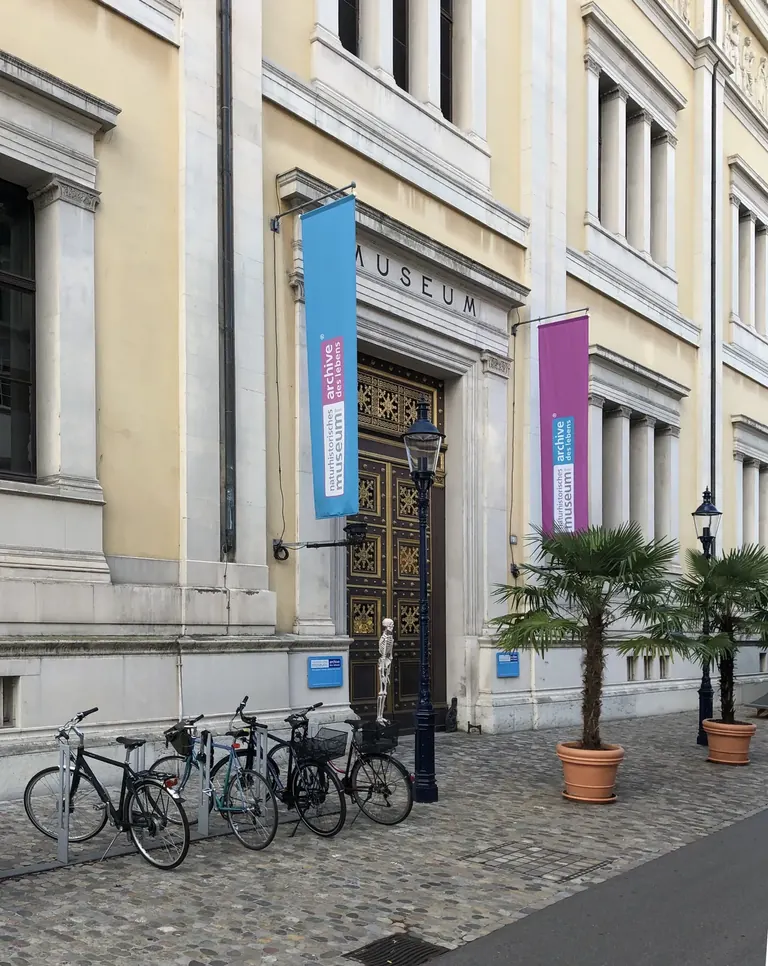
- Naturhistorisches Museum BaselOwn work / Wikimedia Commons, CC BY-SA 3.0
- Historisches Museum Basel (Barfüsserkirche)James Steakley / Wikimedia Commons, CC BY-SA 3.0
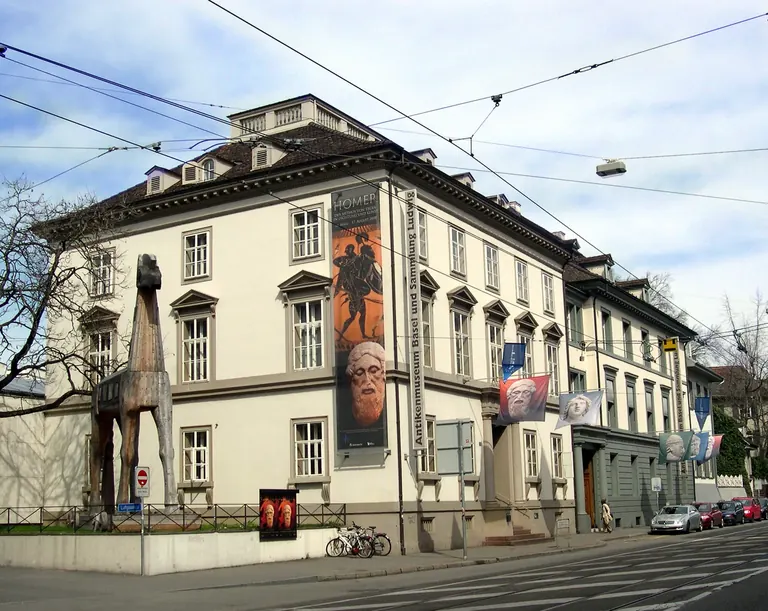
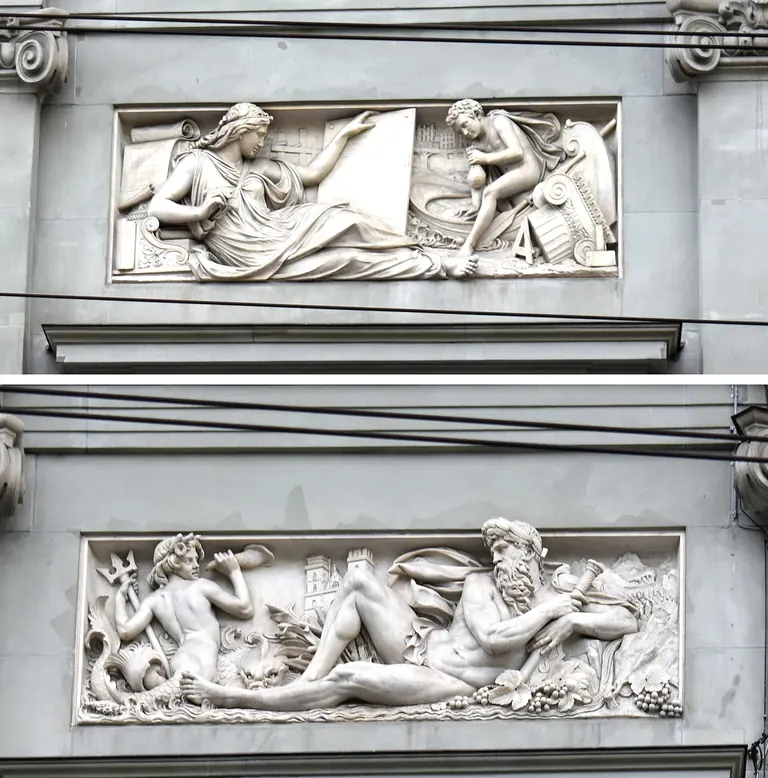
- Antikenmuseum Basel und Sammlung LudwigBasmus / Wikimedia Commons, CC BY-SA 3.0
- Kunsthalle BaselCharles-François Marie Iguel (1827[1]-1897) / Wikimedia Commons, ملكية عامة