 i
National Archaeological MuseumExarcheia
William Kentridge: Imitate the Sleep of Stones
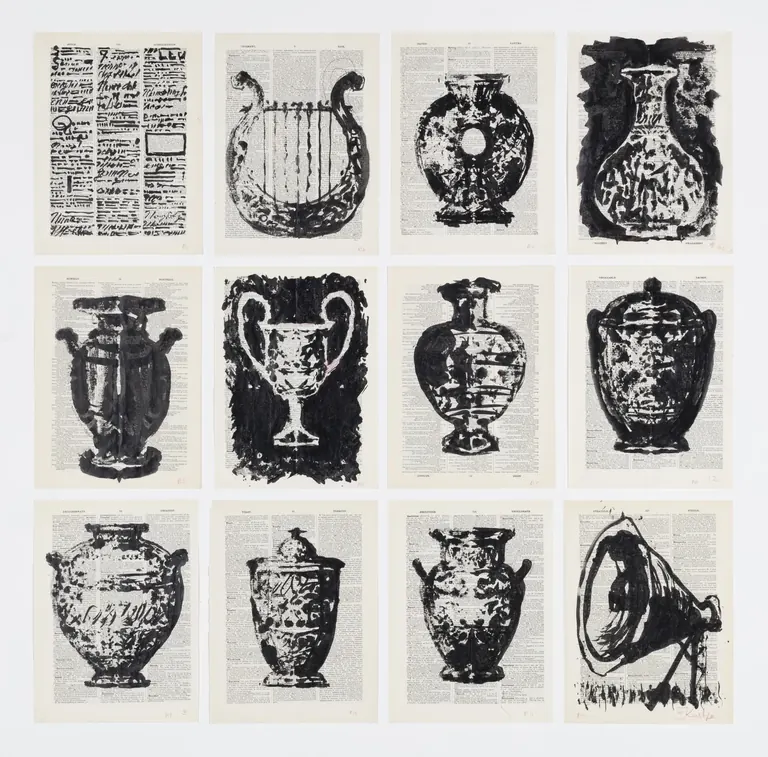
The museum's first solo Kentridge show sets his Orpheus and Eurydice works among kouroi, sphinxes and funerary antiquities.
المزيد في أثينا
Among the kouroi and sphinxes, a rust-red steel figure walks the route carrying a megaphone. It is one of seven sculptures from William Kentridge's Frieze (13 rusted figures), made this year, each part person and part tree, coat or tool.
This is Kentridge's first solo show here, and it tells the story of Orpheus going down to the underworld for Eurydice. Paper tree silhouettes follow Rilke's version of the myth, in which Eurydice turns towards stone and soil. In a central gallery his drawings hang beside antiquities tied to music and death, and a diorama uses Pepper's Ghost, a 19th-century stage illusion, to project moving figures into a model. You watch them appear in the box and then vanish.
It grew out of Monteverdi's L'Orfeo, which Kentridge directs for the Greek National Opera at the Stavros Niarchos Hall. No reviews yet. The museum's ticket is €20, and its page doesn't say whether the show costs extra. Tuesday is the late day, 13:00 to 20:00.
اختيار المحرر
Rust-red steel figures, part person and part tree or tool, one carrying a megaphone, walk among the kouroi and sphinxes. Kentridge tells Orpheus and Eurydice beside a Mycenaean ivory lyre, and in a Pepper's Ghost diorama where figures appear and vanish.
لا تفوّت
The rusted procession
Look for seven rust-red steel figures from Frieze (13 rusted figures) along the route, people merged with trees, clothes and tools such as a megaphone and a knapsack.
The Pepper's Ghost diorama
In the central gallery, a 19th-century theatre illusion projects moving figures into a physical model, where they appear and disappear.
Orpheus on a Corinthian krater
A red-figure calyx krater from about 400 to 375 BCE shows Orpheus playing his lyre.
The Menidi lyre
An ivory lyre and its surviving fragments, found in the Mycenaean tholos tomb at Menidi and dated to the 14th or 13th century BCE.
The Pistoxenos Painter's kylix
A white-ground drinking cup from about 470 BCE, lent by the Acropolis Museum, shows a Thracian woman attacking Orpheus.
مناسب لـ
- الزيارات المسائية
- أهل المدينة الباحثين عن الجديد
- ضيوف من خارج المدينة
أيضًا في National Archaeological Museum
يُعرض الآن في الجوار

في الجوار
مصادر الصور
8
- William Kentridge: Imitate the Sleep of StonesArtwork of William Kentridge, Composite for L'Orfeo (Spile), 2026, Indian ink on found pages
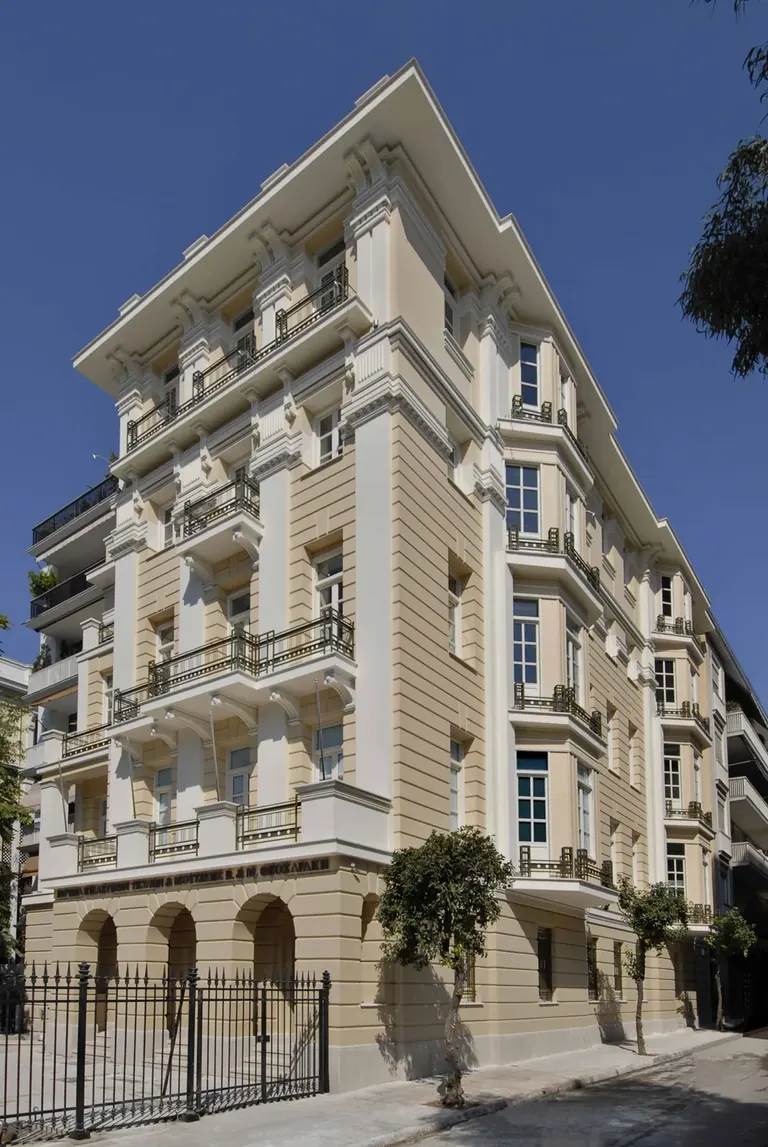
- Weak Works | The Architecture of Christos Papoulias and His FriendsCourtesy of B & M Theocharakis Foundation for the Fine Arts and Music
- Kylie Manning | In an Overcast SkyCourtesy of B & M Theocharakis Foundation for the Fine Arts and Music
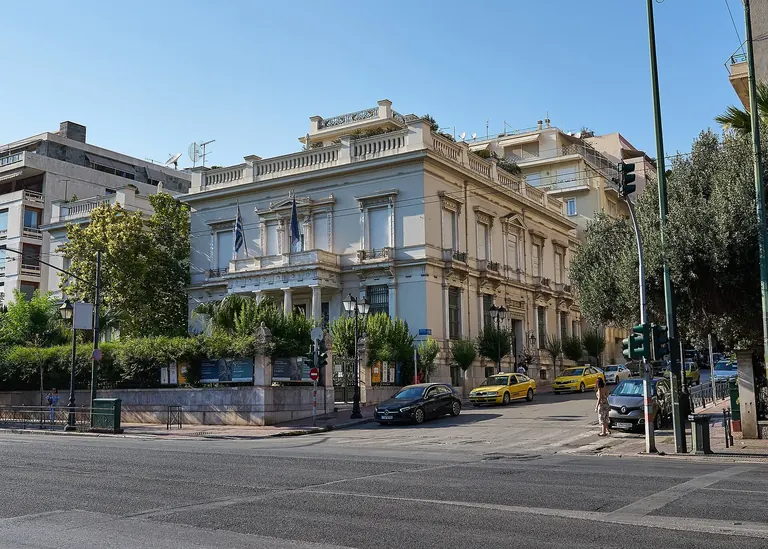
- Grand TourCourtesy of Benaki Museum of Greek Culture
- National Archaeological MuseumThomas Wolf / Wikimedia Commons, CC BY-SA 3.0 DE
- Benaki Museum of Islamic ArtGeorge E. Koronaios / Wikimedia Commons, CC BY-SA 4.0
- B & M Theocharakis Foundation for the Fine Arts and MusicB & M Theocharakis Foundation for the Fine Arts and Music / Wikimedia Commons, CC BY-SA 3.0
- Benaki Museum of Greek CultureGeorge E. Koronaios / Wikimedia Commons, CC BY-SA 4.0