Roman BathsCity Centre
Chew Valley Hoard: Coins, Kings and Conquest
Silver coins from the Chew Valley Hoard, buried around the Norman Conquest, on display outside London for the first time, with objects from the Roman Baths collection.
Altro a Bath
Anteprima: scritta prima dell'apertura della mostra
The Chew Valley Hoard was unearthed in Somerset in 2019. It holds 2,584 silver coins buried around AD 1066 to 1068, when power passed from Harold II to William the Conqueror, and it is the largest hoard found from the immediate aftermath of the Norman Conquest. This is the first time it has gone on display outside London.
A selection of the coins, conserved by the British Museum, sits alongside objects from the Roman Baths' own collection. Together they tell the story of the hoard and of a period of conquest and change, including the part Bath's own mint played in the city's history. It is the Baths' first temporary Spotlight exhibition, in the Panorama Room, and belongs to the British Museum's Bayeux Around Britain programme.
Entry is included with a Roman Baths ticket, but spaces are limited. Add a free exhibition ticket for each person when you book.
Scelto dalla redazione
A hoard of 2,584 silver coins buried around 1066, as power passed from Harold to William the Conqueror. Its first showing outside London pairs a selection with the Roman Baths' own finds and the story of Bath's mint.
Da non perdere
The Chew Valley Hoard coins
A selection of the 2,584 silver coins buried around the Norman Conquest, shown after conservation by the British Museum.
Ideale per
- Per appassionati
- Ospiti da fuori
Anche a Roman Baths
In corso qui vicino
Nei dintorni


Crediti fotografici
5
- Roman BathsArpingstone / Wikimedia Commons, Pubblico dominio
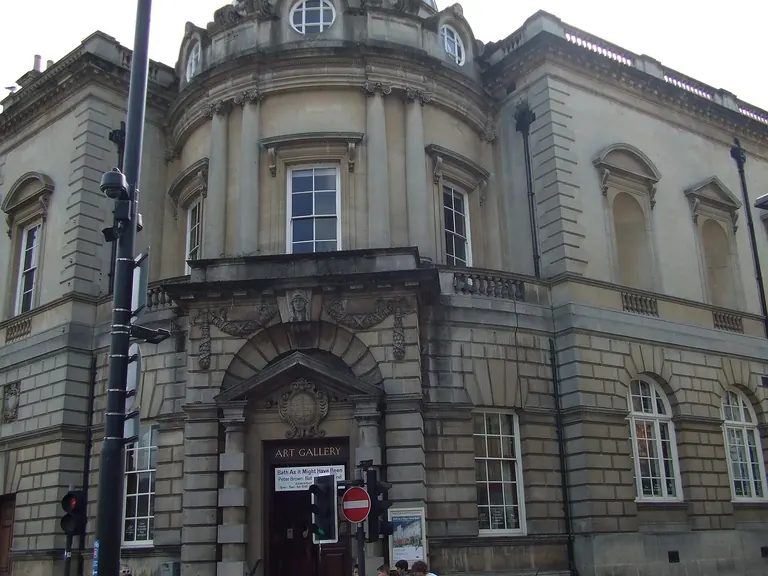
- Victoria Art GalleryRodw / Wikimedia Commons, Pubblico dominio
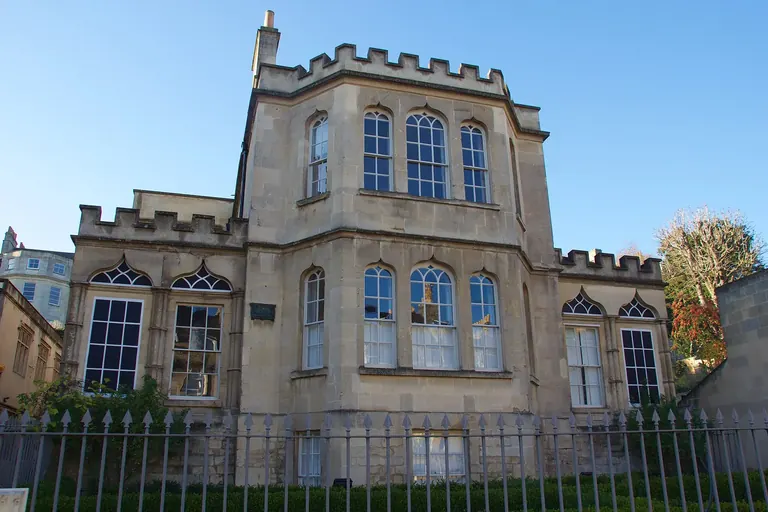
- Herschel Museum of AstronomyNveitch / Wikimedia Commons, Pubblico dominio
- Museum of Bath ArchitectureMike Peel / Wikimedia Commons, CC BY-SA 4.0
- Holburne MuseumDavid A. Russo / Wikimedia Commons, CC BY-SA 4.0