 i
Palazzo Reale di Milano · Centro Storico
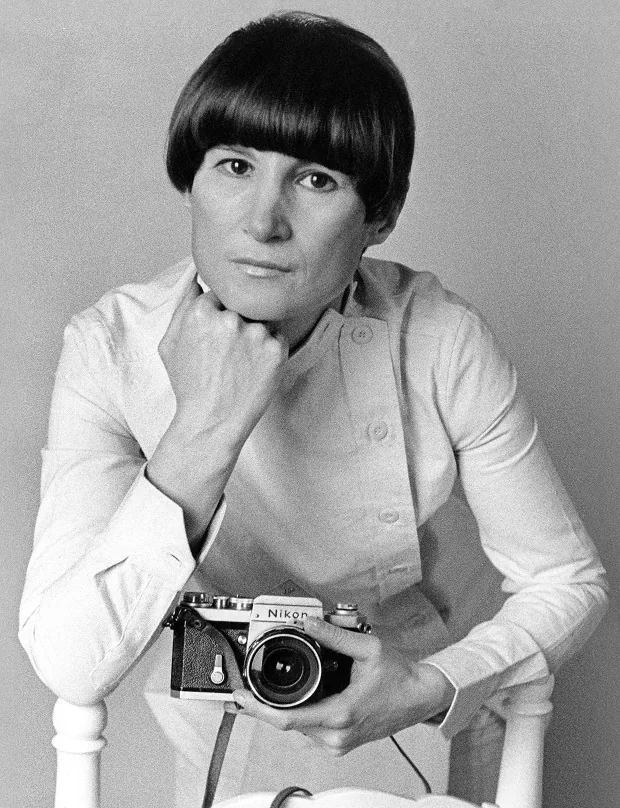
Carla Cerati. Plurale femminile. Fotografia e scrittura, 1926-2026
Centenary retrospective of photographer and writer Carla Cerati: Milan street life, the asylum exposé Morire di classe, portraits, theatre and the body.
At the Einaudi bookshop on via Manzoni, Carla Cerati photographed Italo Calvino, Elio Vittorini, Enzo Mari and Roland Barthes. Out in the city she covered strikes, student marches, the first feminist demonstrations and the funerals of Roberto Franceschi and Giangiacomo Feltrinelli.
About 200 photographs fill ten rooms, with blow-ups, projections and built structures beside her books and archive. At the core is Morire di classe, the 1969 asylum reportage she made with Gianni Berengo Gardin, years before the Basaglia law closed Italy's psychiatric hospitals. There is theatre, from the Living Theatre to Eduardo De Filippo, and Mondo cocktail, her ironic look at Milan's parties and openings. Il Giorno credits it with catching the "Milano da bere" before the Ramazzotti advert gave it a name.
The photographs hang alongside her writing, and you finish in a room of original documents and video where you hear Cerati's own voice. Tickets are €15, or €17 open-date; Thursdays run to 22:30.
Ez galdu
Morire di classe
The 1969 reportage from inside Italian psychiatric hospitals, made with Gianni Berengo Gardin for Franco and Franca Basaglia's campaign, showing patients' conditions without turning suffering into spectacle.
The Libreria Einaudi portraits
Writers and designers caught at the Einaudi bookshop on via Manzoni, among them Calvino, Vittorini, Enzo Mari and Roland Barthes.
Mondo cocktail
Cerati's ironic series on bourgeois Milan at play: parties, exhibition openings and bookshop launches.
Milan in the street
Strikes, student marches, the first feminist demonstrations and the funerals of Roberto Franceschi and Giangiacomo Feltrinelli.
Cerati's own voice
The final room pairs original documents with video in which you hear the photographer talk about her work.
Norentzat
- Iluntzeko bisitak
- Bakarrik
- Xehetasun-zaleak
Ez joan, baldin eta
You want a light visit: the asylum photographs of Morire di classe can be emotionally hard going.
Haurrekin
Families pay €10 per adult and €6 for ages 6 to 14. The psychiatric-hospital photographs may be distressing for younger children.
Palazzo Reale di Milano: beste erakusketa batzuk
Orain ikusgai inguruan


Inguruan
Irudien kredituak
9
- Carla Cerati. Plurale femminile. Fotografia e scrittura, 1926-2026Courtesy Archivio Carla Cerati
- Tommaso Trini. La terra vista dalla lunaCourtesy of Museo del Novecento
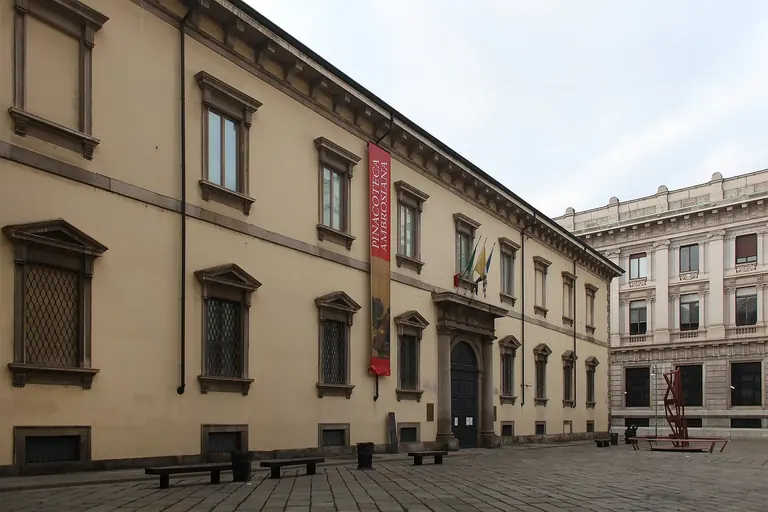
- San Frantziskoren «arrastoa»: bizitza baten irudiak (Il "segno" di San Francesco: immagini di una vita)Courtesy of Pinacoteca Ambrosiana
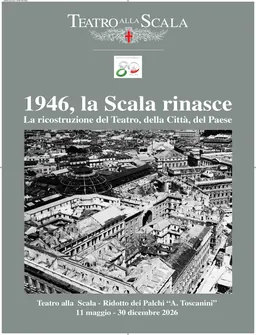
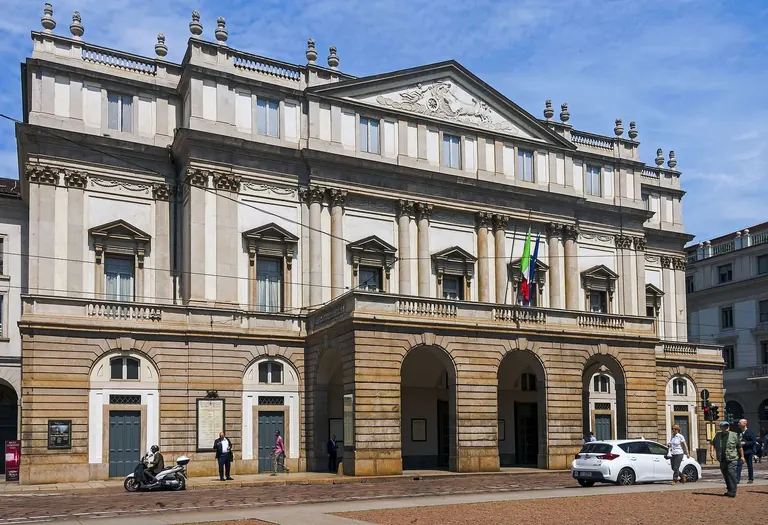
- 1946, La Scala rinasceCourtesy of Museo Teatrale alla Scala
- Palazzo Reale di MilanoPaolobon140 / Wikimedia Commons, CC BY-SA 4.0
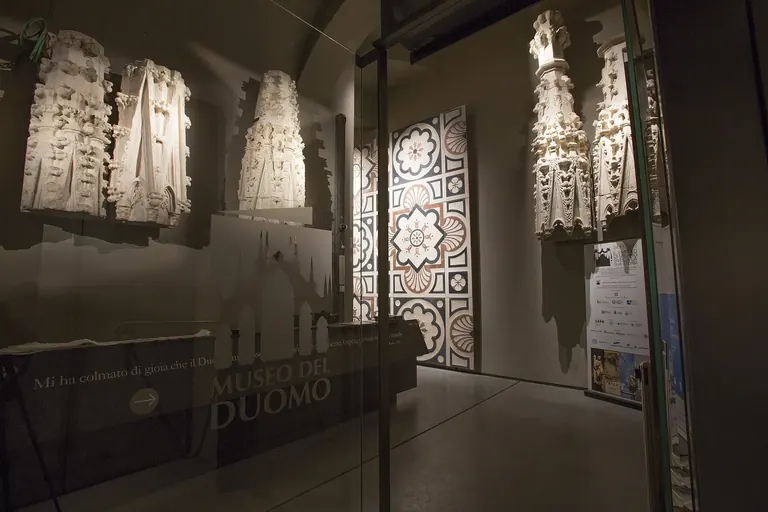
- Museo del Duomo di Milano23vita / Wikimedia Commons, CC BY-SA 3.0
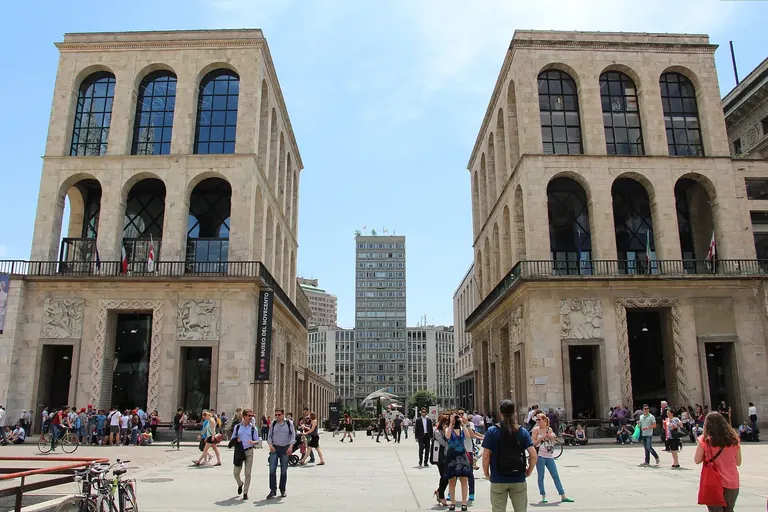
- Museo del NovecentoFred Romero / Wikimedia Commons, CC BY 2.0
- Pinacoteca AmbrosianaPaolobon140 / Wikimedia Commons, CC BY-SA 4.0
- Museo Teatrale alla ScalaDaniel Case / Wikimedia Commons, CC BY-SA 3.0