The National Museum of Modern Art, Kyoto (MoMAK) · Okazaki
3rd Collection Gallery Exhibition 2026
The next rotation of MoMAK's collection displays, running alongside the jewellery exhibition; themes include the museum's outdoor sculptures.
Aurrebista: erakusketa ireki aurretik idatzia
This rotation includes a model Pipilotti Rist made while planning a new piece. You put your eye to a tiny opening and look, alone, into a space nobody occupies yet. It sits in a section built on Virginia Woolf's A Room of One's Own, beside Mio Kozo's and Matsukawa Tomona's paintings of women alone in rooms.
This is MoMAK's autumn collection display: nine themes drawn from 17,000 works. Three mark anniversaries: Kojima Yuji, Tsuchida Bakusen and Komaki Gentaro, Kyoto's Surrealist, who quit Ryukoku and Otani and graduated from Ritsumeikan having mostly read philosophy instead of attending class. There is also the Lizzi Rix room, metalwork paired with the jewellery show, Kawai Kanjiro pots and a machine-age room with Picabia.
Bakusen's Punishment hangs until 29 November and his Oharame from 1 December, so pick your half. Admission is 1,000 yen, free for high school students and younger, with no timed booking. Fridays run to 20:00, at 800 yen after 18:00. Closed Mondays, except 23 November and 11 January.
Ez galdu
Pipilotti Rist's peephole model
Look through its tiny opening into an empty room, a model Rist made while conceiving a new work, in the Room of One's Own section.
Lizzi Rix-Ueno, Design for Ski Mitten with Embroidery (1935–44)
A design for an embroidered ski mitten by the Vienna Workshops designer who moved to Kyoto in 1926 and drew flowers and birds in flowing lines.
Tsuchida Bakusen, Oharame (1927)
From 1 December, Bakusen's painting of the women peddlers from Ohara replaces Punishment, the 1908 picture that won him a Bunten prize.
Kawai Kanjiro, Cigarette Case with Shishi Design, Green Glaze (1922)
A green-glazed case with an imaginary lion, made the year after Kawai's first ceramics show at Takashimaya, from a collection whose donor told curators to take as many as they liked.
Kitahara Senroku, Ornament, "Helmet" (1929)
A metal ornament in the shape of a helmet, in the room on metalwork's roots in sword fittings and its modernist groups of the 1920s.
Norentzat
- Kultura merkea
- Iluntzeko bisitak
- Xehetasun-zaleak
- Euri egunak
Haurrekin
High school students and younger, and anyone under 18, get in free; bring ID showing age.
The National Museum of Modern Art, Kyoto (MoMAK): beste erakusketa batzuk
Orain ikusgai inguruan
 i
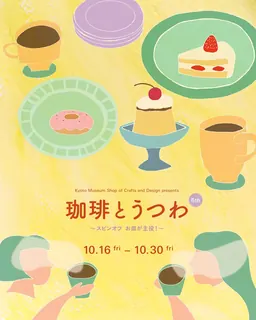
Coffee and Utsuwa 6th: Spin-off, Platerak protagonista! (Coffee and Utsuwa 6th: Spin-off, Plates Take Centre Stage!)
Kyoto Museum of Crafts and Design
Kyono TANA Satellite Gallery: "Me no Kagayaki" Ziurtatutako Enpresak (Kyono TANA Satellite Gallery: "Me no Kagayaki" Certified Companies)
Kyoto Museum of Crafts and Design
 i
Tradition Meets Today #7
Kyoto Museum of Crafts and Design
Inguruan
Irudien kredituak
6
- Coffee and Utsuwa 6th: Spin-off, Platerak protagonista! (Coffee and Utsuwa 6th: Spin-off, Plates Take Centre Stage!)Courtesy of Kyoto Museum of Crafts and Design
- Tradition Meets Today #7Courtesy of Kyoto Museum of Crafts and Design
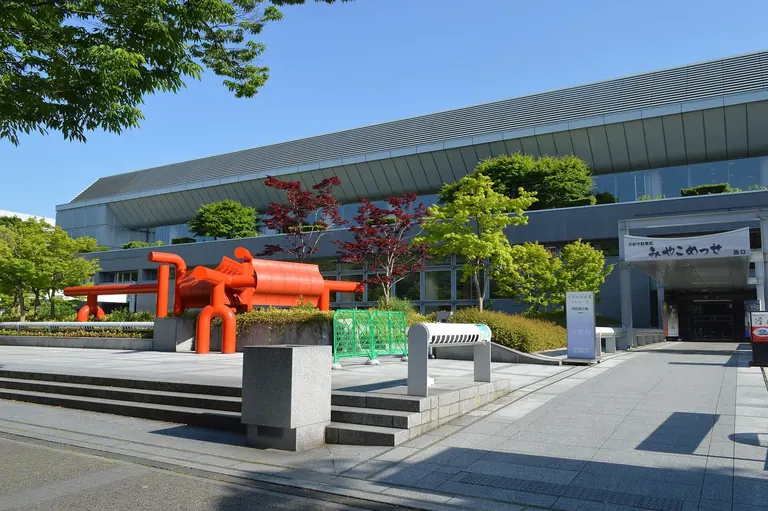
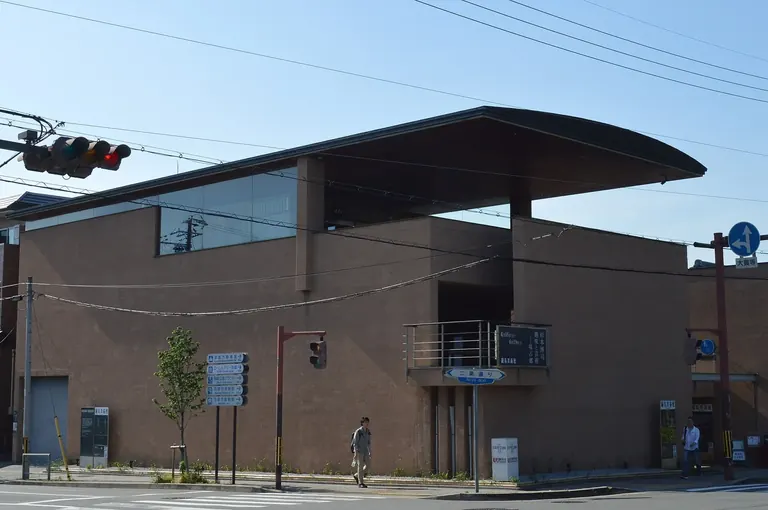
- The National Museum of Modern Art, Kyoto (MoMAK)Wiiii / Wikimedia Commons, CC BY-SA 3.0
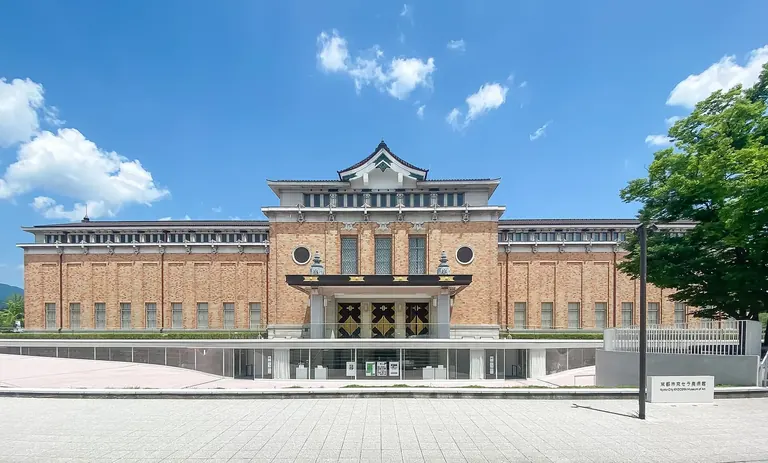
- Kyoto Museum of Crafts and DesignAsturio Cantabrio / Wikimedia Commons, CC BY-SA 4.0
- Kyoto City KYOCERA Museum of ArtKakidai / Wikimedia Commons, CC BY-SA 4.0
- Hosomi MuseumAsturio Cantabrio / Wikimedia Commons, CC BY-SA 4.0