 i
Humboldt ForumMitte
Histories of Tanzania
Over 10,000 Tanzanian objects from the Ethnologisches Museum shown alongside Tanzanian curators' and artists' perspectives on German and British colonial rule.
Gehiago: Berlin
The Hehe ruler Mkwawa played this zither after his warriors turned back a German advance into his kingdom in 1891. At the opening, his great-grandson, the young Hehe chief, stood in front of it and told the Tagesspiegel he looks forward to it going home. The museum says the show will travel to the National Museum of Tanzania after Berlin, and that preparations to return these objects for good are under way.
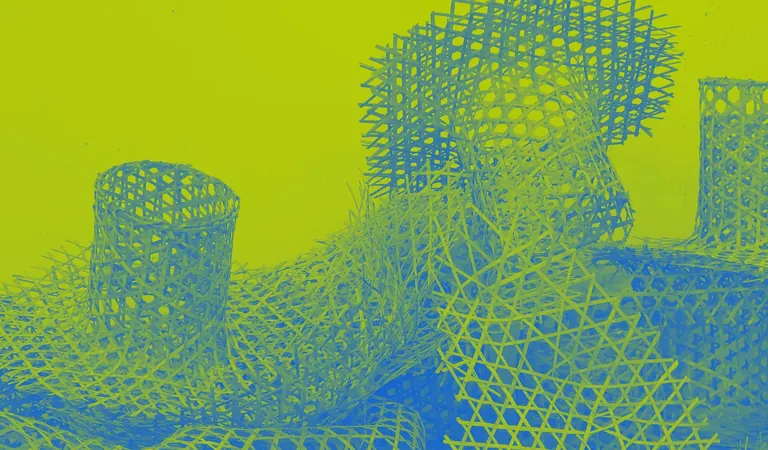
Curators from Dar es Salaam, Songea and Berlin made it together, with Tanzanian community members speaking in texts and filmed interviews beside the objects. It runs from Indian Ocean trade to German and British rule, with the weight on colonial violence. You walk between teak and bamboo structures modelled on Tanzanian woven baskets and fish traps, and Amani Abeid's comics hang as A4 pads you can tear a page from.
The Berliner Zeitung's critic called it beautiful and hugely illuminating. It fills rooms 211 and 212 on the second floor and is covered by the €9 collections ticket.
Ez galdu
Mkwawa's zither
Look for the Hehe ruler's zither, which he played in celebration after defeating a German advance into his kingdom in 1891.
Amani Abeid's tear-off comics
Four comic-strip stories about four of the cultural belongings, printed as A4 pads so you can take individual pages home.
The chair from Urughu
A dignitary's chair from Urughu, its story told around it in text, film and comic drawings.
The City Research films
Short films by school students in Berlin and Dar es Salaam tracking colonial traces in their own cities' buildings, street names and squares.
Norentzat
- Bakarrik
- Xehetasun-zaleak
- Kanpoko bisitariak
Ez joan, baldin eta
You want a light visit: the show centres on German colonial violence and objects taken during it.
Doan, eraikin berean
- FlashbacksEraikin osoan ohikoak ez diren kokaguneetan jarritako 36 objektuk, bakoitzak, aztarnategiaren historiako une bat ekartzen dute gogora.
- Impressions. The Humboldt BrothersDoako erakusketa, Alexander eta Wilhelm von Humboldten bizitzaz, jakin-minaz eta mundu-ikuspegi kosmopolitaz, beheko solairuko eskailera-aretuan.
- Lekuaren historia (History of the Site)Doako erakusketak Schlossplatz-en 800 urteko historiari buruz: Erdi Aroko upategietatik eta jauregiko eskulturetatik hasi eta Errepublikako Jauregiraino (Palast der Republik), jatorrizko piezekin eta multimedia-guneekin.
- Palace CellarIbilbide librea Erdi Aroko monasterio baten aztarna arkeologikoetan barrena eta eraikinaren azpian dauden jauregiaren jatorrizko zimenduetan barrena.
- The Gate of SanchiIndiako UNESCOren Gizateriaren Ondare den Sanchiko Stupa Handiaren Ekialdeko Atearen tamaina errealeko erreplika doakoa, kanpoan instalatua, Lustgarten aldera.
Humboldt Forum: beste erakusketa batzuk
- Ahaidetasuna: hizkuntza partekatua, ezagutza partekatua? (Being Related: Shared Language, Shared Knowledge?)2025(e)ko urriaren 3(a) – 2026(e)ko azaroaren 9(a)
- Manatunga: George Nukuren esku-hartze artistikoak (Manatunga: Artistic Interventions by George Nuku)2025(e)ko maiatzaren 18(a) – 2026(e)ko azaroaren 30(a)
- Friends for the Arts of East Asia in Berlin2026(e)ko irailaren 16(a) – 2026(e)ko abenduaren 8(a)
Orain ikusgai inguruan
 i
Herrialde bat edukiontzi batean – Ekialdeko Alemaniako estatu-ikurrak nola bota ziren (A Country in a Container – The Disposal of East German State Symbols)
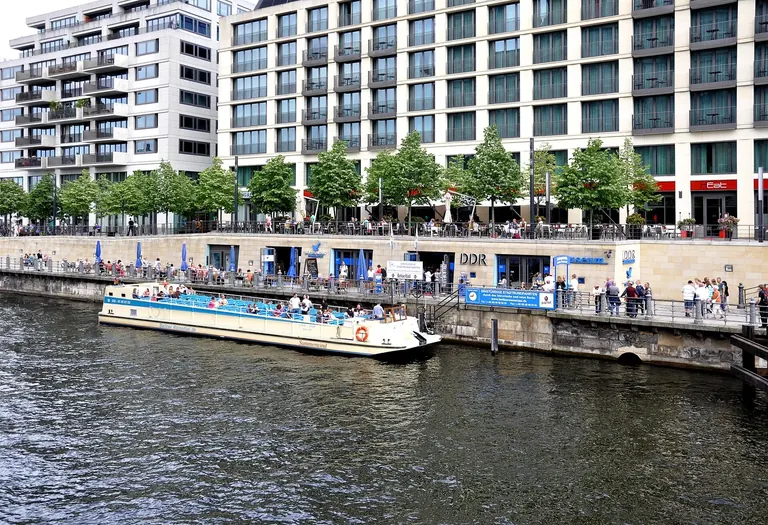
DDR Museum
 i
Antzinatean oinarritua: Berlingo lehen museoa (Founded on Antiquity: Berlin's First Museum)
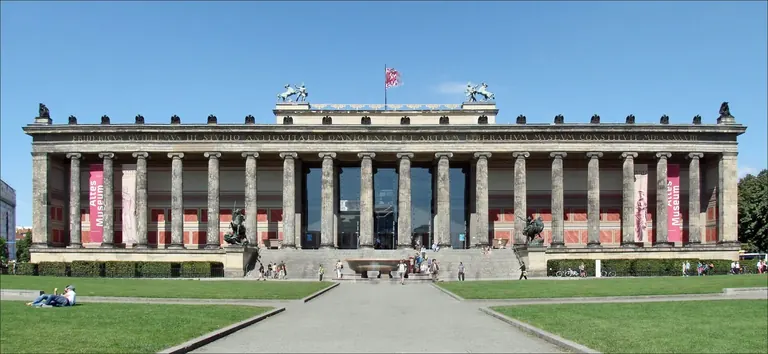
Altes Museum
 i
Natura eta Alemaniako historia. Fedea – Biologia – Boterea (Nature and German History. Faith – Biology – Power)
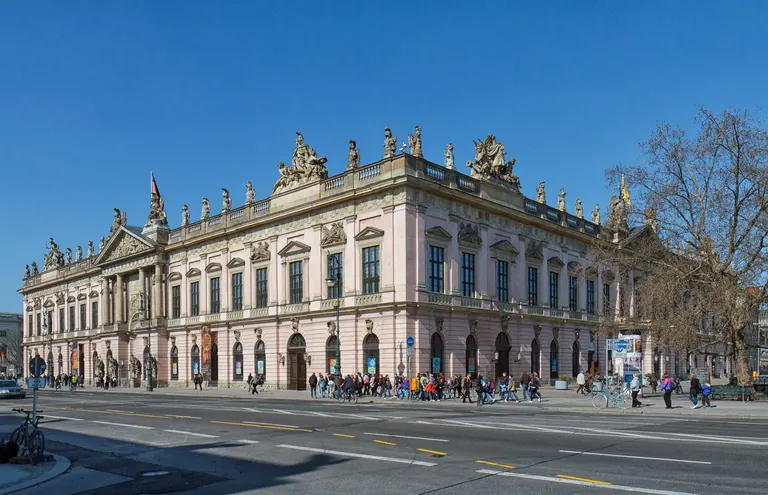
Deutsches Historisches Museum
Inguruan
Irudien kredituak
9
- Histories of Tanzania© Stiftung Humboldtforum im Berliner Schloss / Studio Gründer Kirfel, Foto: Michael Degener
- Herrialde bat edukiontzi batean – Ekialdeko Alemaniako estatu-ikurrak nola bota ziren (A Country in a Container – The Disposal of East German State Symbols)Courtesy of DDR Museum
- Antzinatean oinarritua: Berlingo lehen museoa (Founded on Antiquity: Berlin's First Museum)Photo: Johannes Laurentius
- Natura eta Alemaniako historia. Fedea – Biologia – Boterea (Nature and German History. Faith – Biology – Power)Courtesy of Deutsches Historisches Museum
- Humboldt ForumMike Peel / Wikimedia Commons, CC BY-SA 4.0
- DDR MuseumAndreas Praefcke / Wikimedia Commons, CC BY 3.0
- Altes MuseumJean-Pierre Dalbéra / Wikimedia Commons, CC BY 2.0
- Deutsches Historisches MuseumAvda / Wikimedia Commons, CC BY-SA 3.0
- Alte NationalgalerieManfred Brückels / Wikimedia Commons, Jabari publikoa