 i
iBasilica of San Clemente
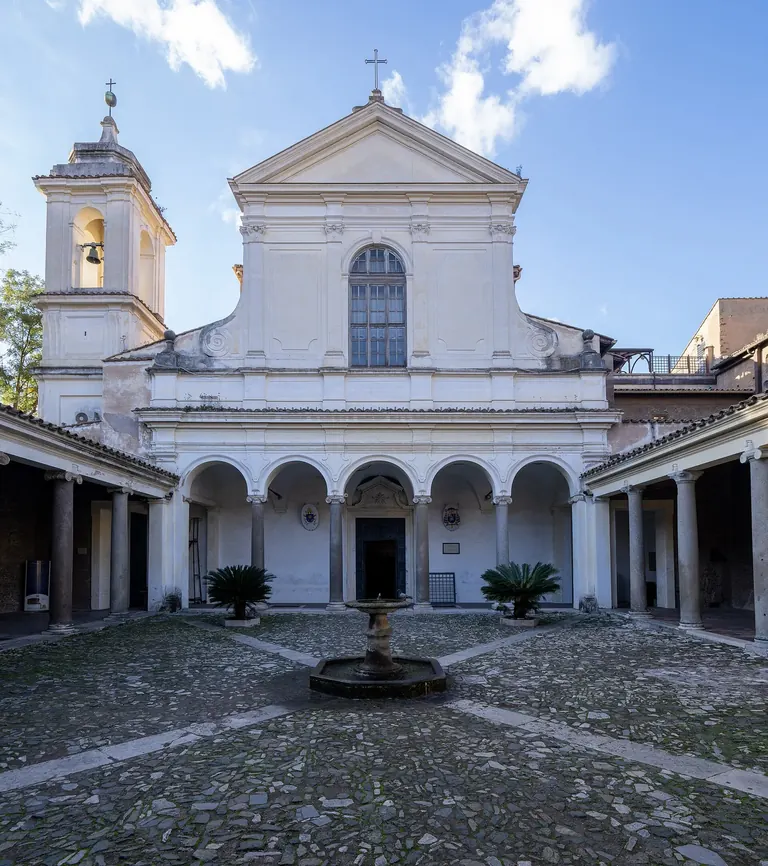
The Basilica of San Clemente is Rome condensed into a single site. The current church, built around 1100, sits directly on top of a 4th-century early Christian basilica, which itself was built over a 1st-century Roman house that briefly served as an early church and later contained a 2nd-century Mithraeum (temple to the Persian god Mithras). Below even that are foundations from the Republican era, destroyed in the Great Fire of AD 64. You descend through nearly two millennia of continuous human activity in a single visit. The upper basilica is worth the visit on its own: it has a stunning 12th-century apse mosaic depicting the Tree of Life, exquisite Cosmatesque floors, and the intact medieval schola cantorum (choir enclosure). But the real draw is going underground. The 4th-century level preserves faded but powerful frescoes, including some of the earliest examples of written Italian (rather than Latin) in graffiti scrawled by the faithful. Deeper still, the Mithraeum retains its altar and the claustrophobic feel of a genuine mystery cult space, and you can hear the sound of an underground stream flowing beneath. This is one of those places that changes how you think about Rome. The layers aren't just archaeological — they're a physical demonstration of how each era built literally on top of the last. Run by Irish Dominican friars since 1677, it's well-maintained and thoughtfully presented.
More in Rome
Plan Your Visit
Getting there
Hours
| Mon | 09:00–18:00 |
| Tue | 09:00–18:00 |
| Wed | 09:00–18:00 |
| Thu | 09:00–18:00 |
| Fri | 09:00–18:00 |
| SatToday | 09:00–18:00 |
| Sun | 12:00–18:00 |
Admission
Free
Upper basilica is free. Underground excavations: €10 adults, €5 students/seniors. Pre-booking required for underground; 30-minute timed visits.
Last verified
Nearby
Visitor Information
- Is Basilica of San Clemente free to visit?
- Yes, general admission to Basilica of San Clemente is free. Upper basilica is free. Underground excavations: €10 adults, €5 students/seniors. Pre-booking required for underground; 30-minute timed visits.. Some special exhibitions may charge a separate ticket, so check the museum's website before visiting.
- What are the opening hours of Basilica of San Clemente?
- Basilica of San Clemente is open Mon-Sat 09:00-12:30, 14:00-18:00 (midday break). Sun 12:00-18:00. Last entry 17:30.. Holiday hours can vary, so check the museum's website before you go.
- Where is Basilica of San Clemente?
- Basilica of San Clemente is located at Via Labicana 95, 00184 Roma RM, Italy, in the Celio / Laterano area of Rome. The nearest station is Colosseo (Line B).
- What can I see at Basilica of San Clemente?
- A three-layered archaeological marvel where you descend from a medieval basilica through an early Christian church to a Roman temple of Mithras.
- Do I need to book Basilica of San Clemente in advance?
- Basilica of San Clemente is free to enter and most days you can walk in. Upper basilica is free. Underground excavations: €10 adults, €5 students/seniors. Pre-booking required for underground; 30-minute timed visits.. For special exhibitions, weekends, and school holidays, booking a timed slot can help you skip queues. Check the museum's website for current requirements.
- When is the best time to visit Basilica of San Clemente?
- Weekday mornings shortly after opening are typically the quietest, especially mid-week. Late afternoons can also be calmer. Weekends, school holidays, and the lunch rush are the busiest periods.
Image credits
5
- Basilica of San ClementeLabicanense, CC BY-SA 4.0
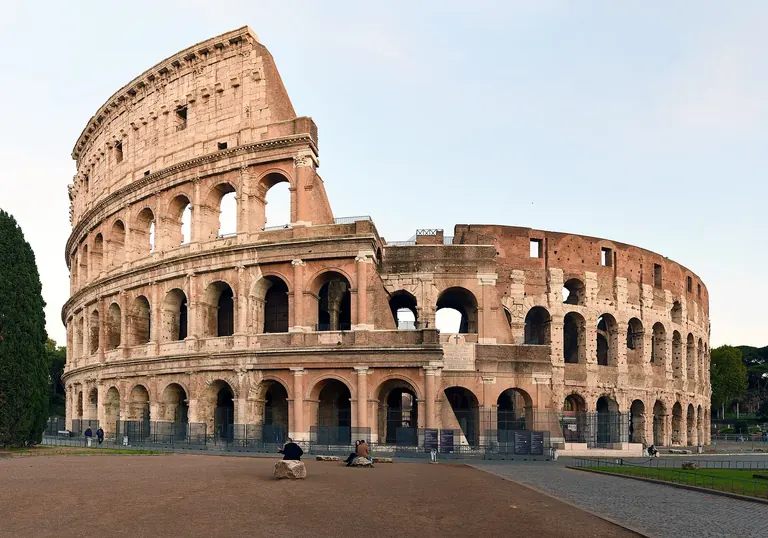
- Colosseum and Roman ForumFeaturedPics, CC BY-SA 4.0
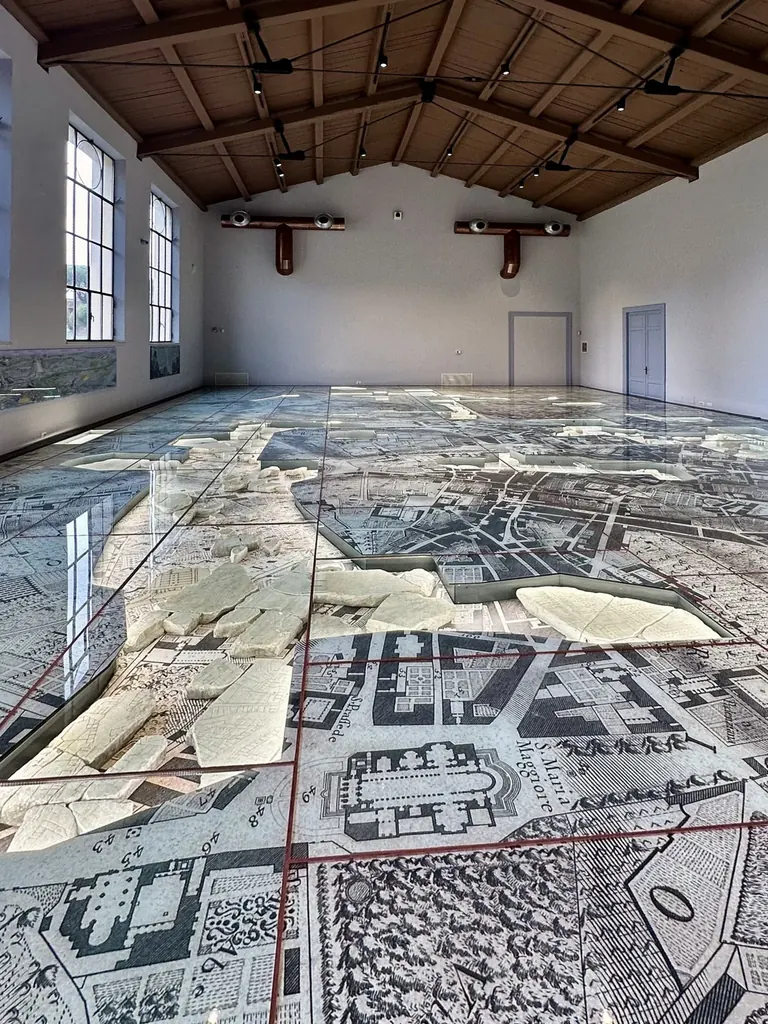
- Museo della Forma UrbisNestorFMarques, CC BY-SA 4.0
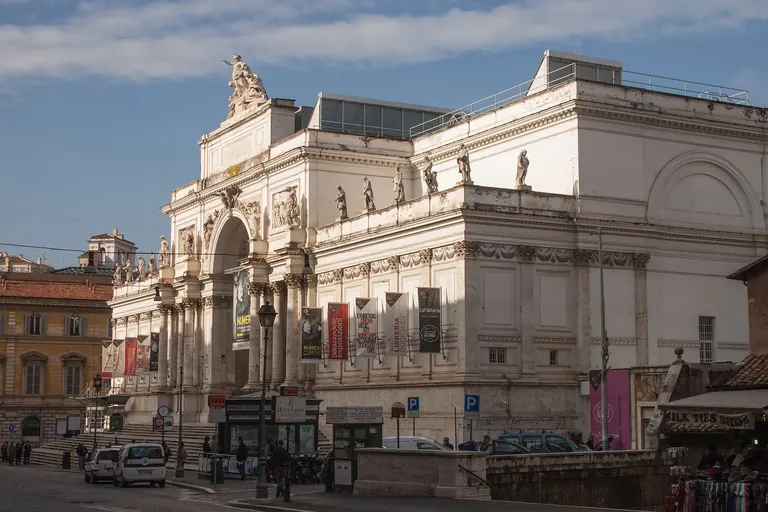
- Palazzo delle EsposizioniSzilas, via Wikimedia Commons, CC0
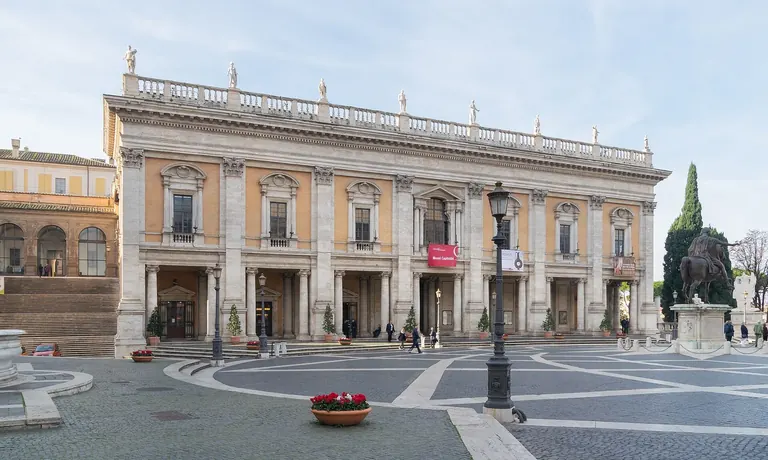
- Capitoline MuseumsTournasol7 / Wikimedia Commons, CC BY-SA 4.0