 i
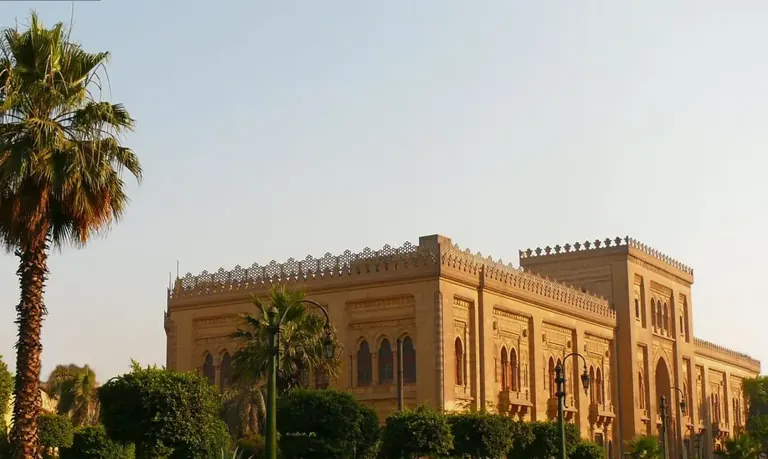
iMuseum of Islamic Art
Founded in 1881 and moved to its current purpose-built neo-Mamluk building in 1903, the Museum of Islamic Art holds one of the most extensive collections of Islamic artifacts in the world. Around 4,500 objects are displayed across 25 halls on two floors, drawn from a total collection exceeding 100,000 pieces. The holdings span from the 7th-century Umayyad dynasty through the 19th-century Ottoman Empire, including finely carved woodwork, ceramics, metalwork, glass, crystal, textiles, and rare Qur'anic manuscripts with silver-ink calligraphy. Notable items include a Mamluk-era key to the Ka'ba and textiles bearing ancient Kufic inscriptions. In January 2014, a car bomb targeting a nearby police headquarters severely damaged the museum; after extensive restoration, it reopened in 2017.
More in Cairo
Plan Your Visit
Getting there
Port Said Street, Bab al-Khalq Square, Cairo 11638, Egypt
Nearest station: Mohamed Naguib (Metro, ~850m) and Attaba (Metro, ~1.8 km)
Show on mapHours
| Mon | 09:00–17:00 |
| Tue | 09:00–17:00 |
| Wed | 09:00–17:00 |
| Thu | 09:00–17:00 |
| Fri | 09:00–17:00 |
| Sat | 09:00–17:00 |
| SunToday | 09:00–17:00 |
Admission
From E£340
Student: 170 EGP. Free for seniors 60+, disabled visitors, and children under 6.
Accessibility
Wheelchair access via side entrance (main entrance has steps). Elevator and accessible toilets available. Braille labels and sign language services offered. Limited disabled parking in forecourt (advance registration required).
Last verified
Visitor Information
- How much does Museum of Islamic Art cost?
- Standard adult admission to Museum of Islamic Art is E£340. Student: 170 EGP. Free for seniors 60+, disabled visitors, and children under 6.. Prices for special exhibitions and timed-entry slots may differ.
- What are the opening hours of Museum of Islamic Art?
- Museum of Islamic Art is open Daily 9:00–17:00, Fri closed 11:30–13:30. Last ticket 16:00.. Holiday hours can vary, so check the museum's website before you go.
- Where is Museum of Islamic Art?
- Museum of Islamic Art is located at Port Said Street, Bab al-Khalq Square, Cairo 11638, Egypt, in the Bab al-Khalq, Downtown Cairo area of Cairo. The nearest stations are Mohamed Naguib (Metro, ~850m) and Attaba (Metro, ~1.8 km).
- What can I see at Museum of Islamic Art?
- One of the world's largest collections of Islamic art, spanning 13 centuries in a landmark neo-Mamluk building on Bab al-Khalq square.
- Do I need to book Museum of Islamic Art in advance?
- Booking ahead is recommended, especially for weekends, school holidays, and special exhibitions. Tickets are normally on the museum's website, and a pre-booked timed slot helps you avoid queues at the entrance.
- When is the best time to visit Museum of Islamic Art?
- Weekday mornings shortly after opening are typically the quietest, especially mid-week. Late afternoons can also be calmer. Weekends, school holidays, and the lunch rush are the busiest periods.
- Is Museum of Islamic Art accessible?
- Wheelchair access via side entrance (main entrance has steps). Elevator and accessible toilets available. Braille labels and sign language services offered. Limited disabled parking in forecourt (advance registration required).