Musa arrives in Europe
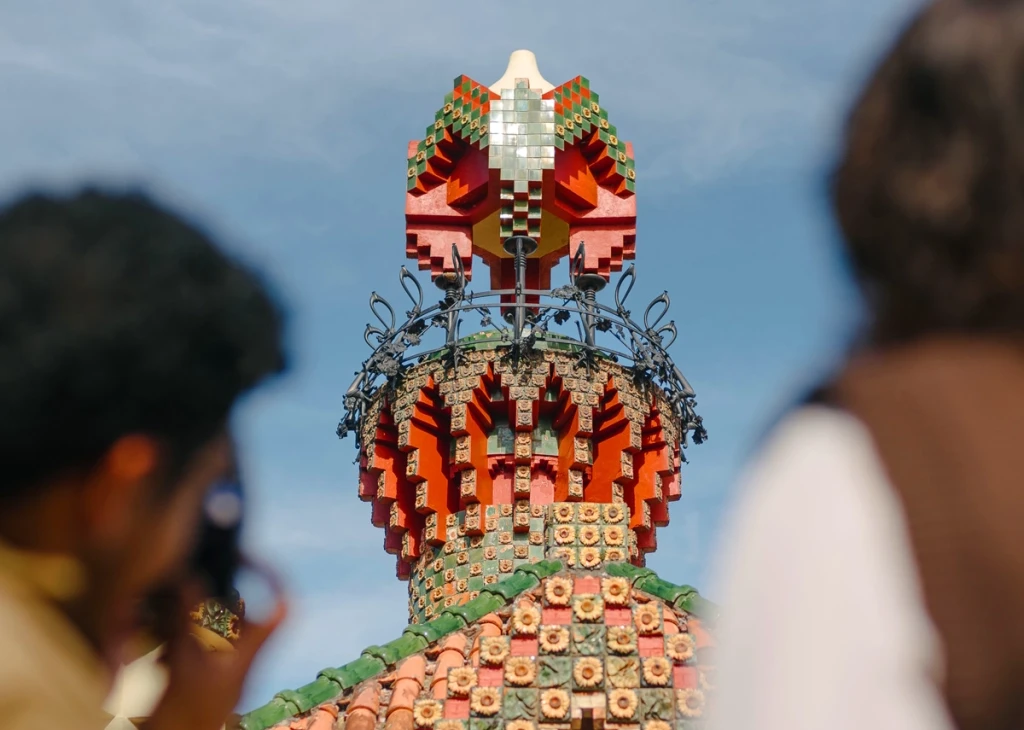
El Capricho de Gaudí is one of only three buildings Gaudí designed outside Catalonia. Built in 1883 in Comillas, a small coastal town in Cantabria, it was a summer villa for the lawyer and musician Máximo Díaz de Quijano. The building follows what Gaudí called a "solar path": rooms are arranged east to west so that sunlight moves through the house over the course of the day, from the bedroom where you wake up to the smoking room where you end the evening.
Musa is now guiding visitors through it.
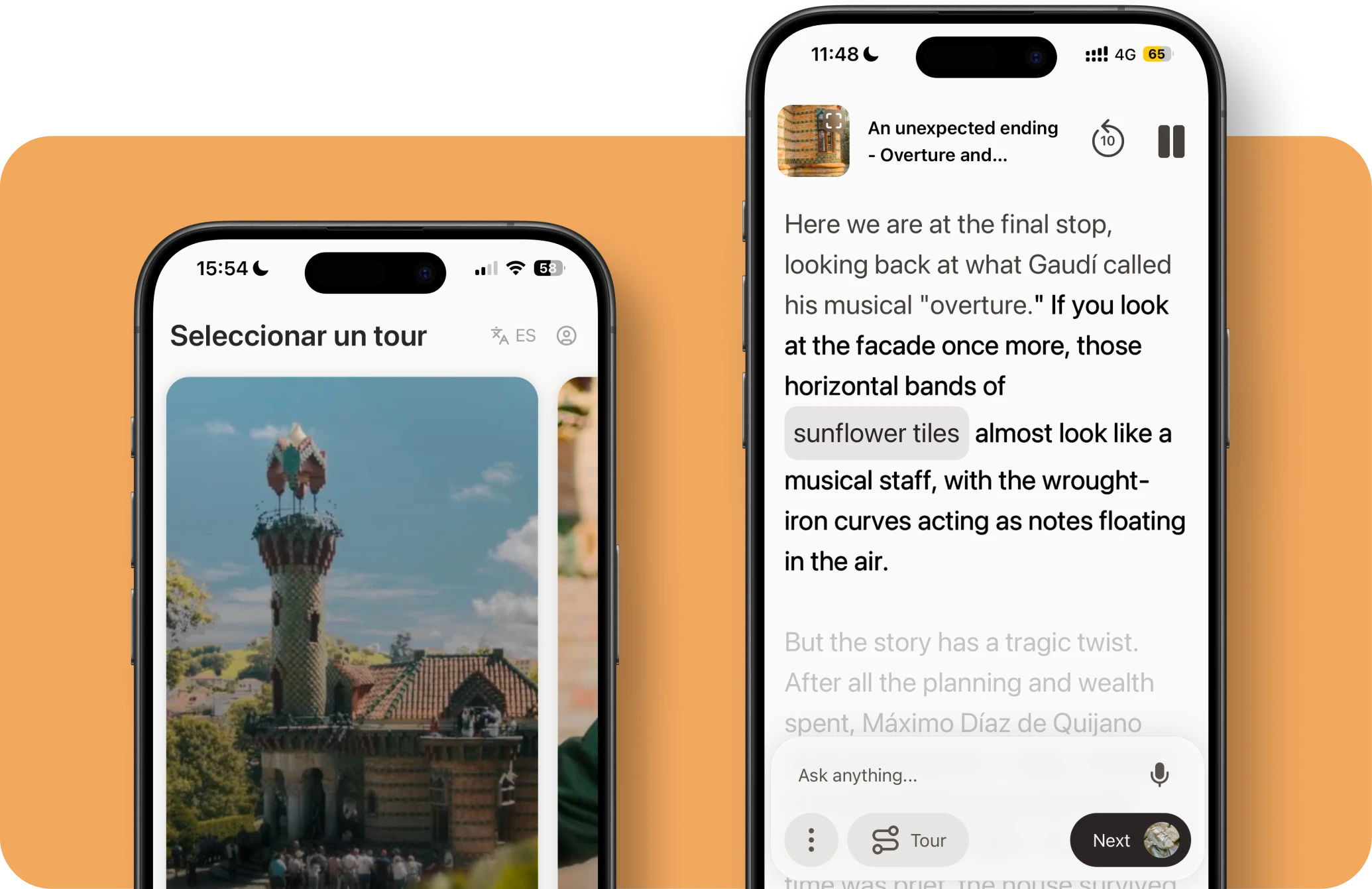
We met Carlos Mirapeix, El Capricho's Director General, at Museum Connections in Paris in mid-January. By February we were talking seriously, and within a week his team's content was on the platform. Over the next few weeks we worked on voice design, tour concepts, and content, going back and forth with Carlos and his team.
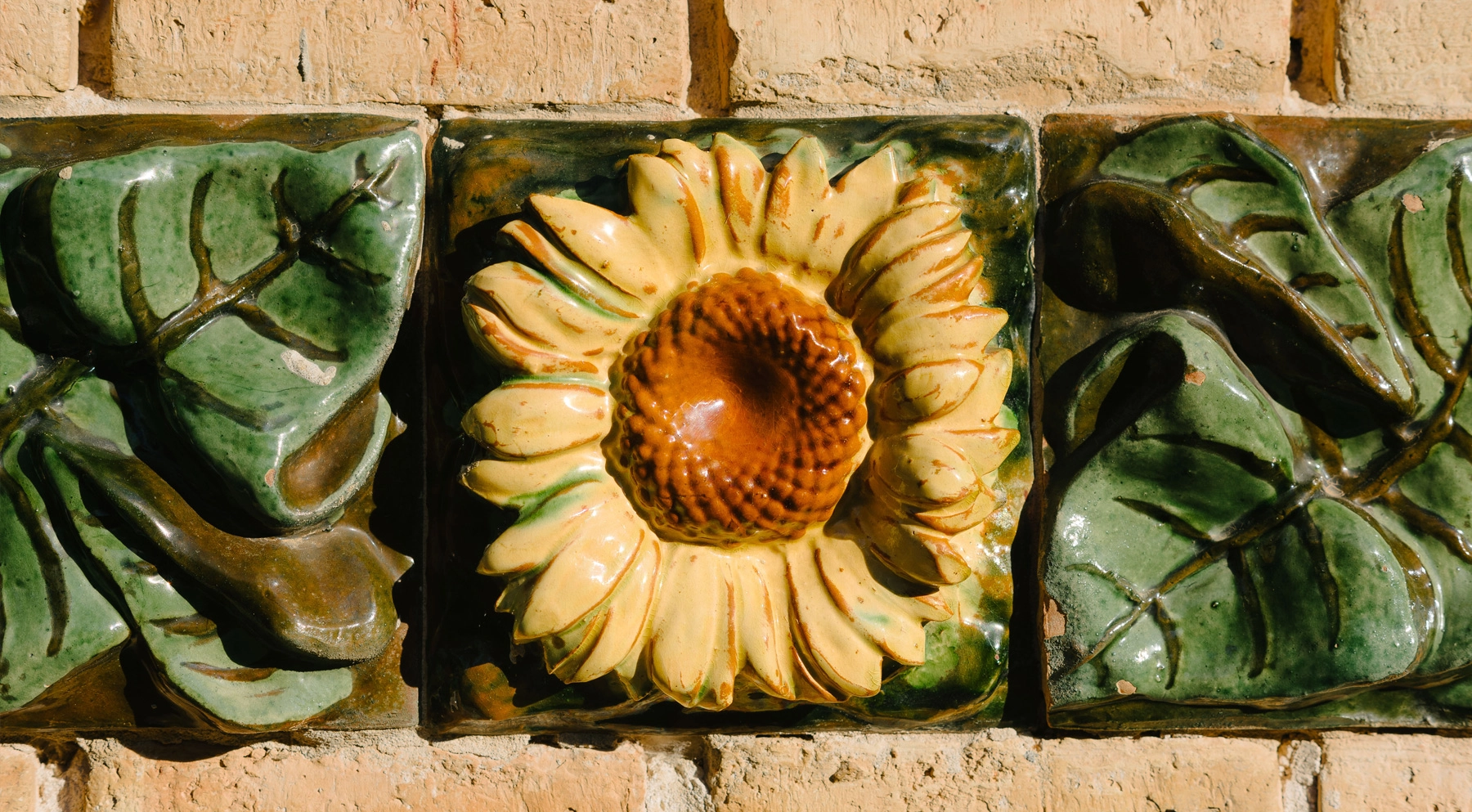
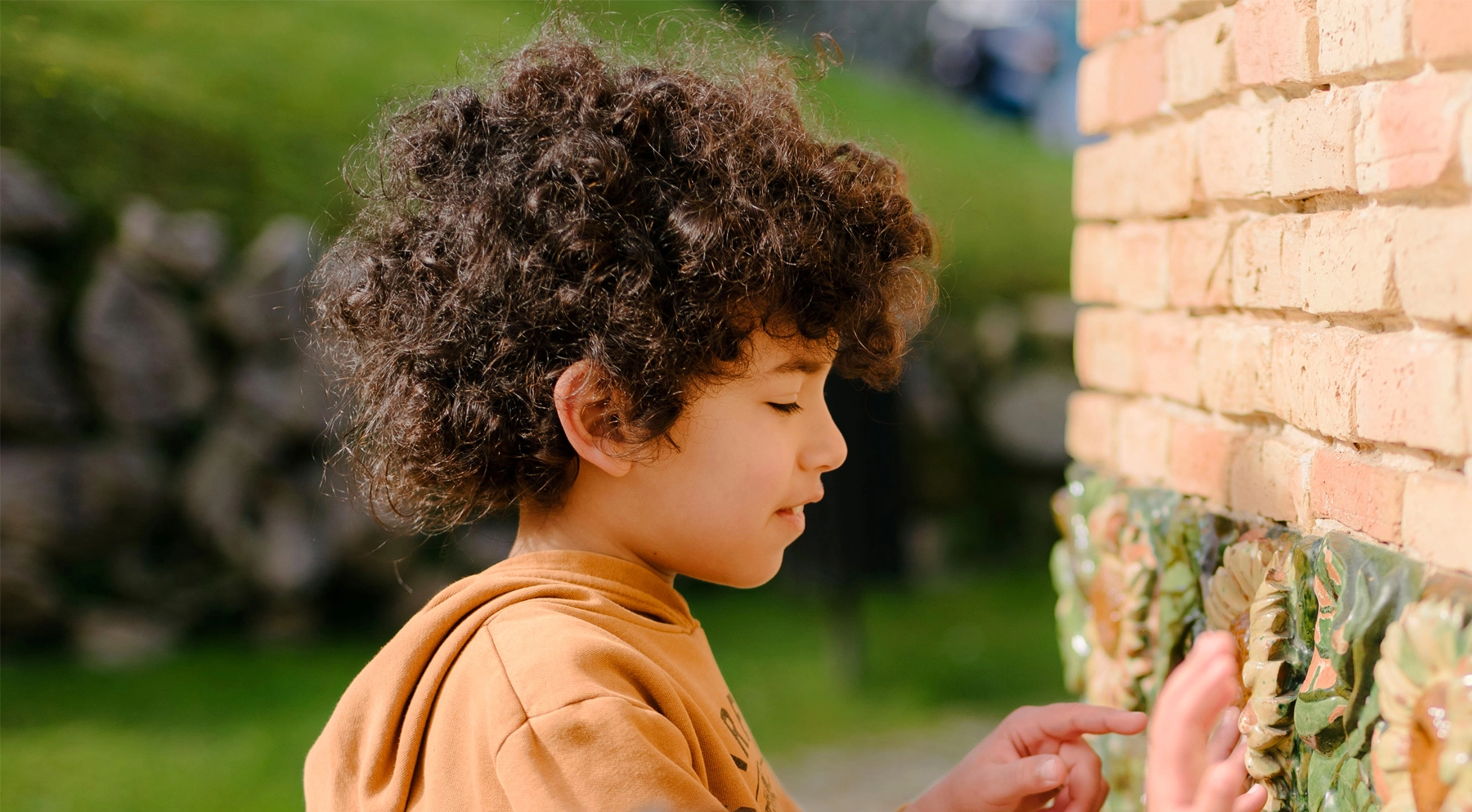
El Capricho already had traditional audio guide tours. We used those as a starting point for the two base tours, then brainstormed new angles on top of them. What if the building's housekeeper Dolores gave you a tour of daily life in the villa? What if Josep, the Catalan ceramist who made the famous sunflower tiles, walked you through his craft? What about Ramón, the local stonemason who carved the building's stonework?
By late February, about a month after that first conversation in Paris, visitors in Comillas were scanning QR codes and exploring El Capricho with Musa.
El Capricho was our first venue with both outdoor and indoor navigation. The tour starts in the gardens surrounding the villa and moves inside, so the floor plan had to cover both. Gaudí also loved curves, both the gardens and the interior are full of them. Our floor plan tools now extend beyond straight walls to navigate you through Gaudí's horseshoe garden and spiralling staircase.
One thing we spent more time on than expected was the Spanish. AI voice models tend to default to Latin American Spanish, and getting them to stay consistently in a specific regional accent takes work. For Miraflores in Guatemala, the challenge was orthography and pronunciation, getting a Latin American Spanish voice to say Mayan words like Kaminaljuyú correctly. For El Capricho, it was the opposite: Cantabrian Spanish with Catalan influences for Gaudí-related terms. Two sites on the same platform, with almost nothing in common, not even the Spanish!
We're opening more pilot spots for museums across Europe. If you're running a cultural site, get in touch.