Capitoline Museums · Capitoline Hill (Campidoglio)
Il non finito: fra poetica e tecnica esecutiva
A Pinacoteca display using scientific imaging to reveal the creative process behind unfinished paintings by artists such as Palma il Vecchio, Guido Reni and Garofalo.
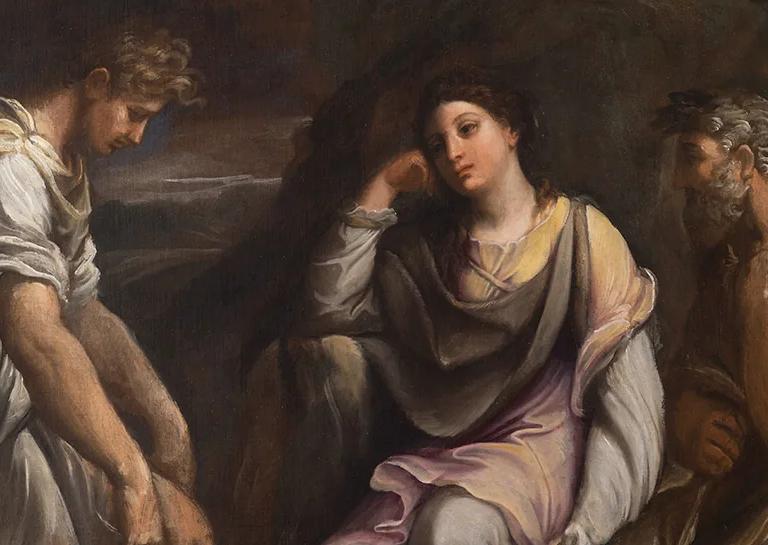
Beside Palma il Vecchio's Christ and the Adulteress, a screen slowly dissolves from the painting into an infrared image, then a radiograph. Underneath, Palma changed the adulteress's gaze, her hair and the position of Christ's hand.
About fifteen paintings from the Pinacoteca's own collection hang by artist: Garofalo's two Circumcisions, Palma, then the largest group, Guido Reni's. Imaging of Reni's Anima beata (1640-1642) showed changes to its body, legs, arms, wings and drapery, and a match with a drawing for a Crucifix. Reni revised this angel over and over and still never finished it, so your unsent draft to the condominio WhatsApp group is in good company. Installations at the entrance explain the methods: infrared reflectography, radiography, UV fluorescence and MA-XRF.
It's a short display, included in the Capitoline ticket (€15, free for Rome residents with ID). The museum is open daily 9:30 to 19:30, and the show now runs to 4 January 2027.
Scelto dalla redazione
Un allestimento della Pinacoteca che ricorre alle tecniche di imaging scientifico per mostrare il processo di lavorazione che si cela dietro i dipinti incompiuti di Palma il Vecchio, Guido Reni e Garofalo. Una piccola consolazione, se anche i vostri progetti incompiuti riempiono un cassetto.
Da non perdere
Palma il Vecchio, Christ and the Adulteress
Digital frames dissolve between the visible painting, the reflectogram and the radiograph, showing the reworked gaze, hair and hand.
Reni's Anima beata
Radiography and reflectography show the figure's legs, arms, wings and drapery being revised; a 3D model of it is made for visually impaired visitors.
Garofalo's two Circumcisions
Screens show photographs of the preparatory drawing, with one version lent from the Galleria Cantore in Modena.
Ideale per
- Locali che hanno visto tutto
- Per appassionati
Anche a Capitoline Museums
- Angeli: Messaggeri, custodi e viandanti dall'antichità al contemporaneo (Angeli: Messengers, Guardians and Wanderers from Antiquity to the Contemporary)13 maggio 2026 – 1 novembre 2026
- Diego Rivera e la costruzione dell'arte moderna nel Messico del Novecento (Diego Rivera and the Construction of Modern Art in 20th-Century Mexico)9 giugno 2026 – 13 dicembre 2026
- La statua colossale di Costantino (The Colossal Statue of Constantine)1 gennaio 2026 – 31 dicembre 2026