 i
Natural History Museum Vienna (Naturhistorisches Museum Wien)Innere Stadt
Glaciers out of balance
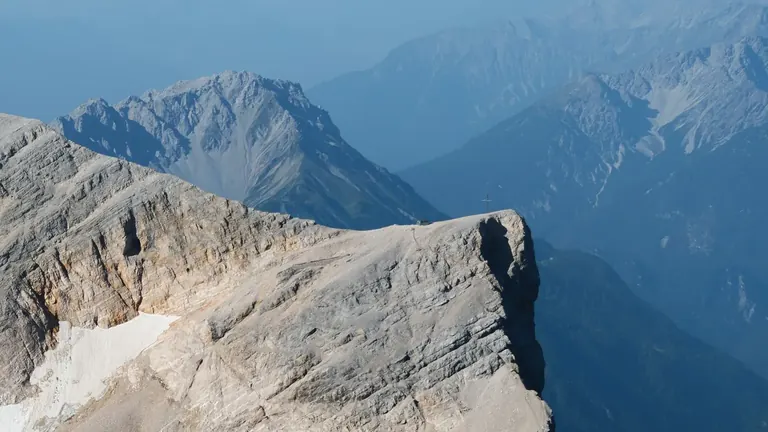
Jürgen Merz's before-and-after photographs retrace 19th-century glacier views across the Alps, showing how fast the ice is retreating. Hallway, level 1.
Gehiago: Viena
In the Rhone Glacier pair, an open-top vintage bus stands on the mountain road with the ice right beside it. Jürgen Merz went back to the same spot: now there's a yellow coach on the road, and behind it rock and mountain.
Merz tracks down the places where photographers stood in the 19th and early 20th centuries and takes the picture again. The pairs include the Mer de Glace above Chamonix, the Schneeferner on the Zugspitze and the Mittelbergferner in Tyrol. The panels give the timeline: Alpine glaciers peaked around 1850, and the Alpine Club forecasts that Austria could be largely ice-free in 40 to 45 years. Merz says he isn't out to wag a finger.
You walk along a hallway on Level 1 rather than into a gallery, so this is a stop on the way round the museum, not a visit on its own. Admission is €18, under-19s free, and the museum stays open until 20:00 on Wednesdays.
Ez galdu
The Rhone Glacier and the bus
Look for the archive shot of an open-top vintage bus by the ice, then Merz's photo of a modern yellow coach on the same road with only rock behind.
The Mer de Glace above Chamonix
A black-and-white view of the glacier ringed by mountains sits beside Merz's colour photo from the same spot, the ice heavily retreated and rocky ground exposed.
Norentzat
- Ordubete edo gutxiago
- Euri egunak
Ez joan, baldin eta
You'd come just for this: it's one hallway of photo pairs on the museum's Level 1 circuit.
Natural History Museum Vienna (Naturhistorisches Museum Wien): beste erakusketa batzuk
- Kontuz, goi-tentsioa! Istripu elektrikoak – beren gisako kategoria bat (Caution, high voltage! Electrical accidents – a class of their own)2026(e)ko ekainaren 23(a) – 2027(e)ko apirilaren 24(a)
- Bilduma ona – Bilduma txarra. Natural History Museum Vienna-ren 150 urte (Good Collecting – Bad Collecting. 150 Years of the Natural History Museum Vienna)2026(e)ko ekainaren 3(a) – 2027(e)ko ekainaren 27(a)
- GENchangers: Erdi Aroaren hasierako ehorzketa-lekuetako sekretuak argitara (GENchangers: Unraveled Secrets from Early Medieval Burial Grounds)2026(e)ko urriaren 14(a) – 2027(e)ko uztailaren 26(a)
Orain ikusgai inguruan

Inguruan
Irudien kredituak
9
- Glaciers out of balanceJürgen Merz / NHM Wien
- Tolia Astakhishvili: Figure of the Childmumok – Museum moderner Kunst Stiftung Ludwig Wien
- Terminal Piecemumok – Museum moderner Kunst Stiftung Ludwig Wien
- VIENNA DESIGN WEEKen 20 urte: kartelez betetako hiria (20 Years of VIENNA DESIGN WEEK: A City Full of Posters)© Graphic Design: SIRENE Studio
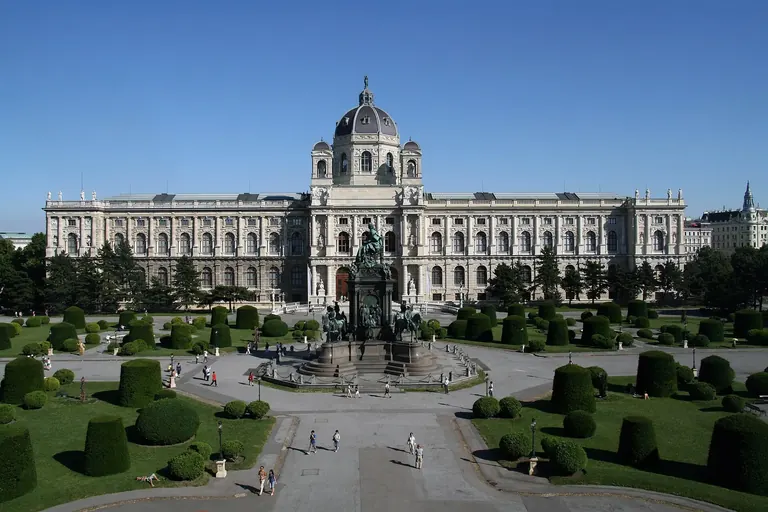
- Natural History Museum Vienna (Naturhistorisches Museum Wien)Stb1er (Dario Premm), Wikimedia Commons, CC BY-SA 4.0
- Kunsthistorisches Museum WienManfred Werner (Tsui), Wikimedia Commons, CC BY-SA 3.0
- Architekturzentrum Wien (Az W)Spock1801 / Wikimedia Commons, CC BY-SA 4.0
- Kunsthalle WienStephan Wyckoff / PresseKunsthalleWien, via Wikimedia Commons, CC BY-SA 4.0
- mumok – Museum moderner Kunst Stiftung Ludwig WienAndrzej Otrębski / Wikimedia Commons, CC BY-SA 4.0